Newsletter
Join the Community
Subscribe to our newsletter for the latest news and updates

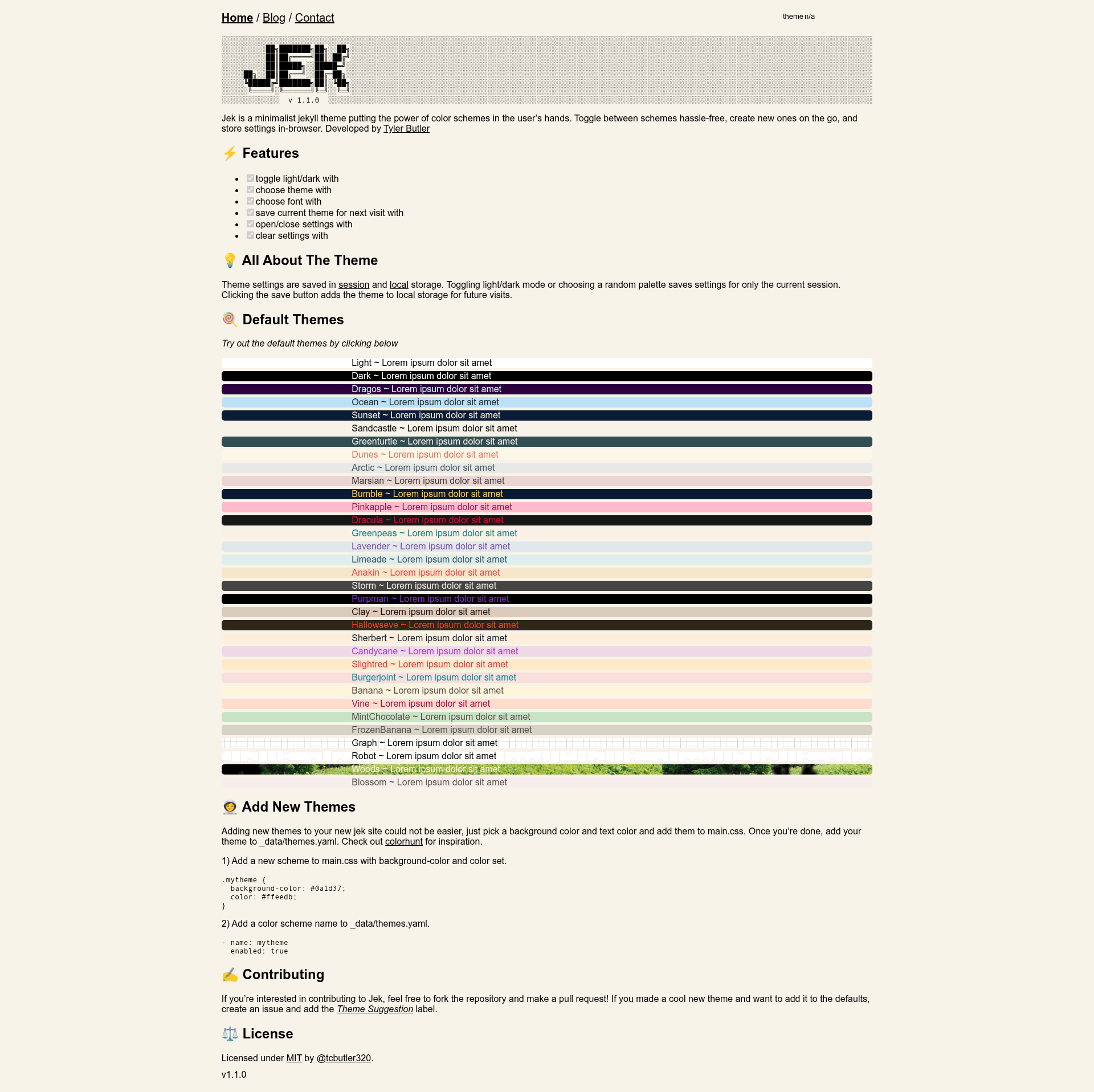
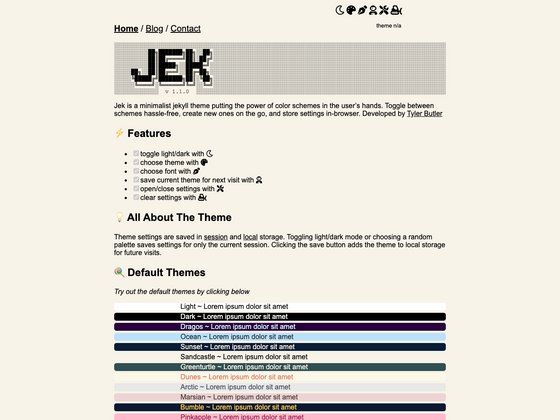
Jek is a minimalist Jekyll theme with user-toggleable color schemes, light/dark mode, and in-browser settings storage.

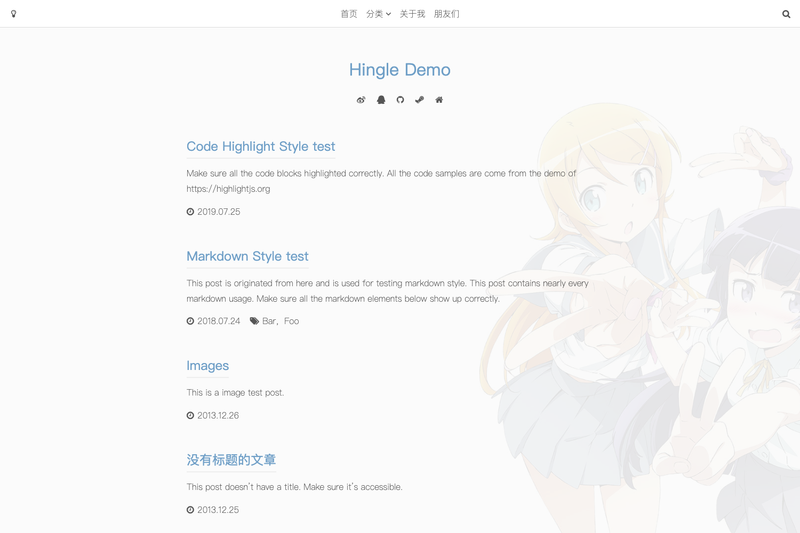
A personal frontend blog by a JD.com engineer, built with Jekyll on GitHub Pages, sharing JavaScript and web development articles.

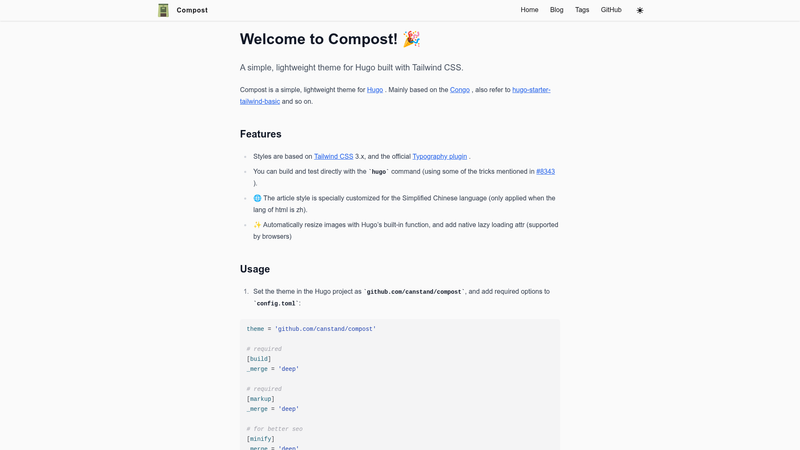
A dark Hugo blog theme for programmers; clone, configure TOML and YAML, and publish a responsive static blog.
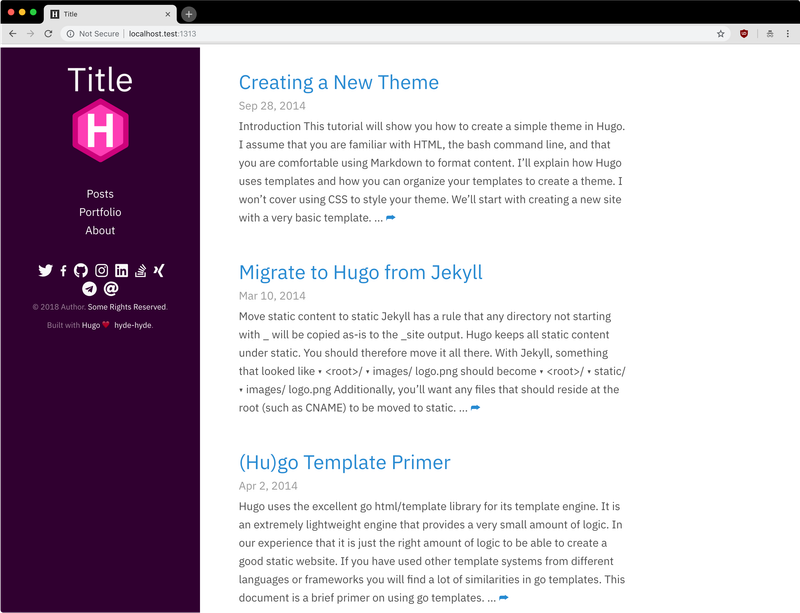
A Hugo blog theme that extends hyde-hyde with Google Analytics v4, Mastodon support, giscus comments, and a portfolio page.
Jek is a minimalist Jekyll blog theme (v1.1.0) that puts color-scheme selection in the visitor's hands, with light/dark toggling, custom fonts, and browser-stored settings. Built for Jekyll 4 by Tyler Butler, Jek is distributed as a Ruby gem and deployed as a demo on Netlify.
Jek is a theme for Jekyll 4 that adds a client-side settings panel to a static blog. It takes a Jekyll site's existing content and _data/themes.yaml list, then renders the blog with a gear-based settings interface. Visitors can switch color schemes and fonts, and the theme persists their choices using sessionStorage and localStorage. The project is maintained by Tyler Butler and released under the MIT license, with a live demo hosted on Netlify.
_data/themes.yaml.sessionStorage.localStorage, so it loads on later visits..mytheme) plus a YAML entry to enable a new scheme.Bloggers who want to offer readers a choice of visual styles without a CMS or backend. Jekyll developers who need a theme with a simple, YAML-driven theme system and are comfortable running Jekyll 4 locally or via custom CI. Theme contributors who want to fork the repo, add color schemes, and submit them as pull requests — the README suggests using colorhunt.co for palette inspiration.
_data/themes.yaml, then open a pull request.Jek uses the browser's sessionStorage for immediate, session-only theme changes and localStorage for the "save" action that persists across visits. That way the theme can require no server-side state or accounts. The README also shows a two-step process for adding a theme: define a class in main.css and list it in _data/themes.yaml.
Jek requires Jekyll 4, so it will not work on GitHub Pages by default (which runs Jekyll 3). Hosting on GitHub Pages requires adding a custom CI flow, such as GitHub Actions. The theme is otherwise free to use under the MIT license.
No, not by default. Jek requires Jekyll 4, while GitHub Pages uses Jekyll 3. You can work around this by setting up a custom CI flow with GitHub Actions.
Add a CSS class with your background and text colors, such as .mytheme { background-color: #0a1d37; color: #ffeedb; }, then add - name: mytheme to your _data/themes.yaml file.
Yes, Jek is open source under the MIT license, so you can use and modify it freely.
A demo site is deployed on Netlify at jekyll-jek.netlify.app, and the source repository includes a GIF showing the theme switcher.
Jek saves session-only changes to sessionStorage and persistent saves to localStorage.