Newsletter
Join the Community
Subscribe to our newsletter for the latest news and updates

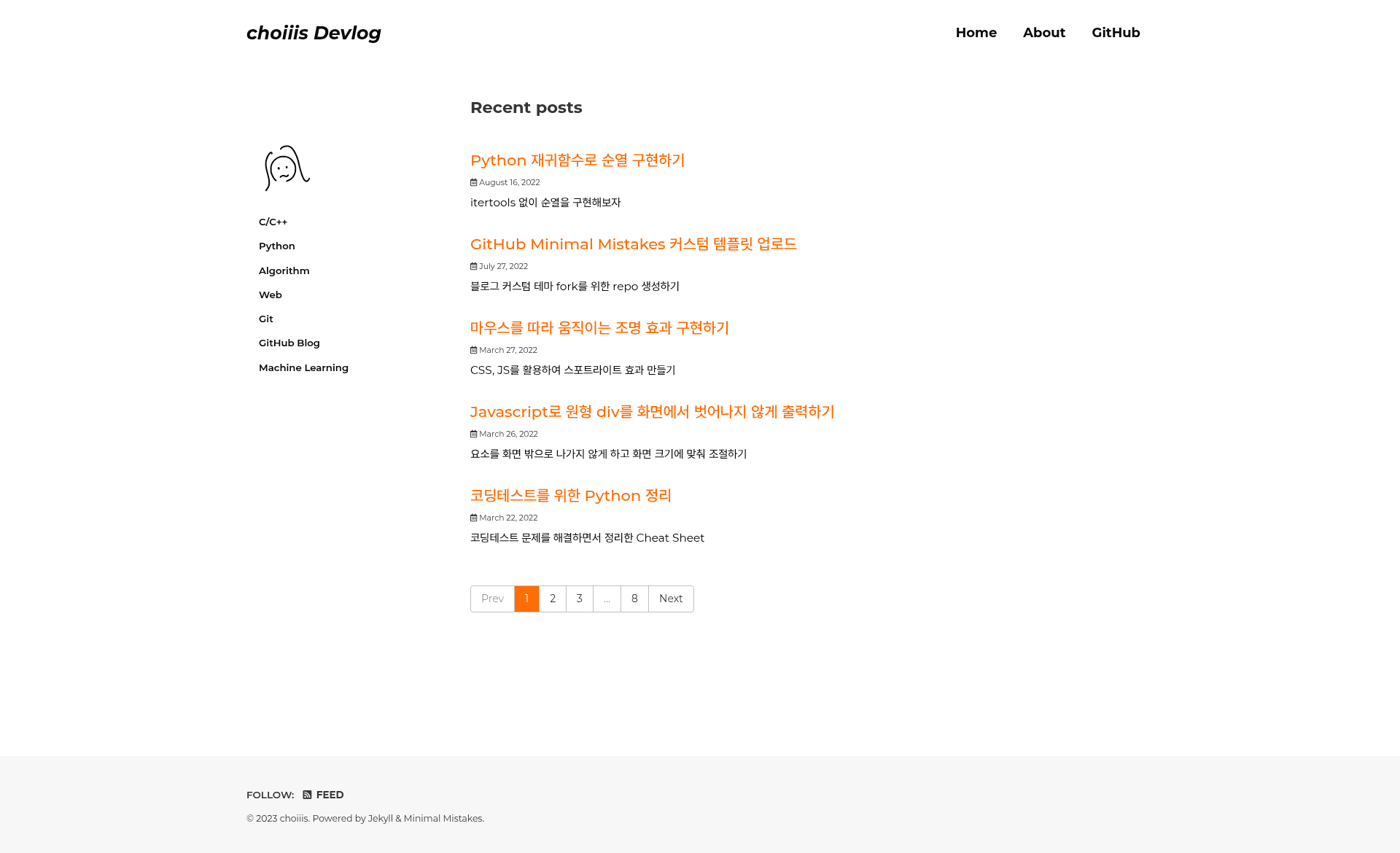
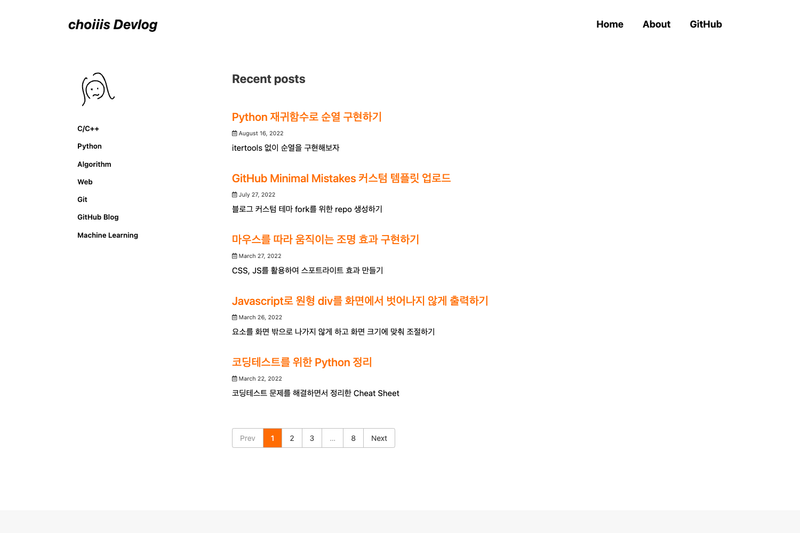
GitHub Pages blog theme based on Minimal Mistakes, pre-configured for Korean dev blogs with categories, comments, and SEO.

A multilingual Astro 7 theme for editorial publishing with 11 locales, Pagefind search, and agent discovery APIs.
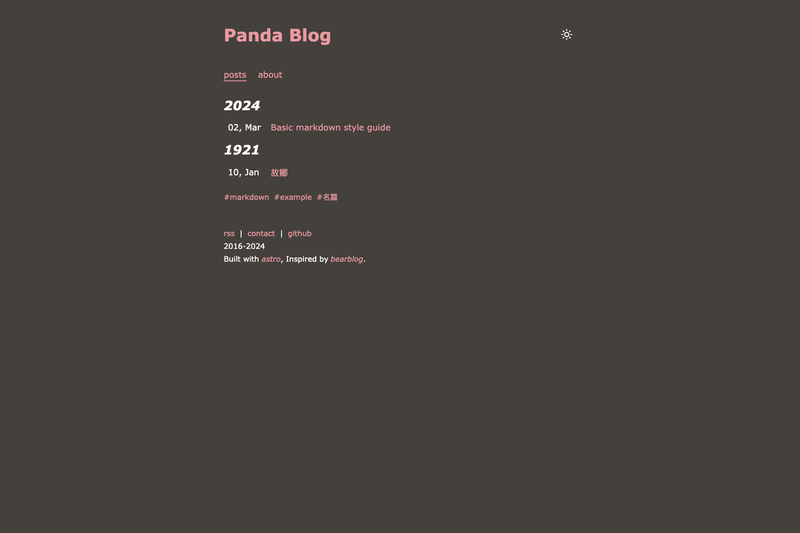
A tiny blog theme for Astro that builds fast, ~30kb static blogs from Markdown posts.
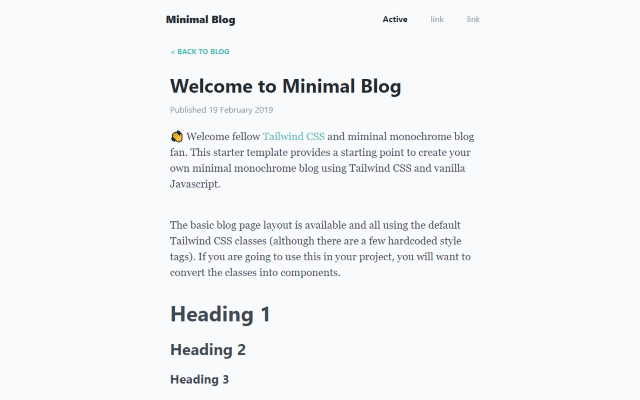
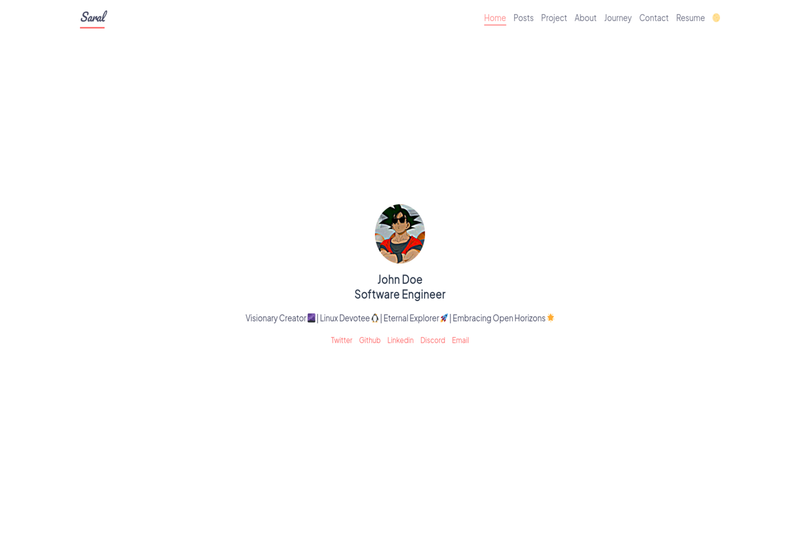
Free open-source Tailwind CSS starter template for a minimalistic monochrome blog layout in a single HTML file.
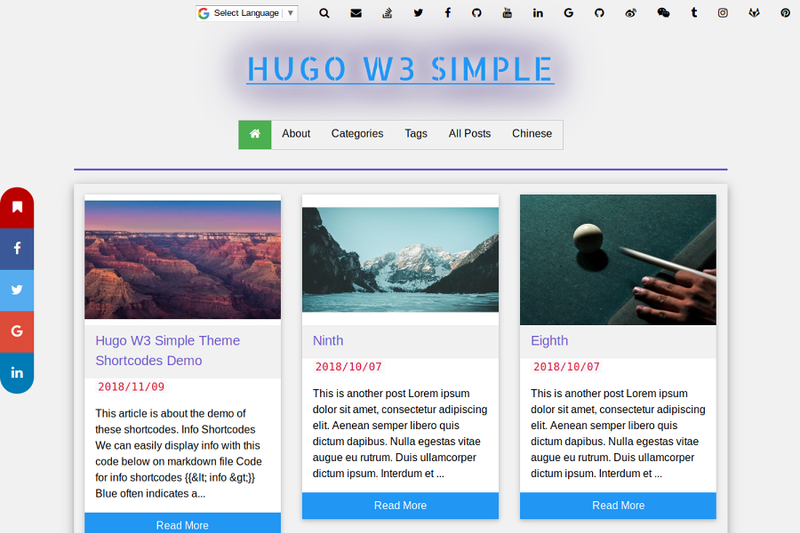
A minimalist Hexo blog theme inspired by newspaper print design, with dark mode, six theme colors, and comment support.
Minimal Mistakes Choiiis Customized is a GitHub Pages blog theme that forks the Minimal Mistakes Jekyll theme and adds Korean-language defaults, category navigation, utterances comments, and search-engine registration. It is a ready-to-deploy Jekyll setup: you fill in _config.yml, write Markdown posts in _posts/, and push to GitHub Pages to publish a static blog.
This is a customized version of the Minimal Mistakes theme, built for GitHub Pages and maintained by the developer choiiis. It takes standard Jekyll inputs — _config.yml, _data/navigation.yml, and Markdown files — and generates a fully static blog with a plum color skin, category sidebar, and post table-of-contents. The theme is distributed as a GitHub repository and can be forked directly, with the README acting as a setup guide.
plum in _config.yml, and you can switch to other Minimal Mistakes skins like default, air, or aqua by editing the minimal_mistakes_skin value._data/navigation.yml supports both flat category lists and nested subcategories (via the categories-ver2 branch), with sidebar links generated from _pages/categories/ Markdown files._includes/comments-providers/utterances.html.google-gtag provider with your tracking ID, and the README walks through adding jekyll-sitemap, robots.txt, and the Google verification file._config.yml defaults set layout to single, enable author profile, date display, comments, and related posts, while per-post front matter can toggle the table of contents (toc: true) and sticky TOC.assets/images/favicon/, plus font customization through Google Fonts imports and _variables.scss.About navigation item maps to _pages/about.md, and _config.yml defines site title, name, description, URL, and repository.Korean developers who want a personal devlog on GitHub Pages without building a theme from scratch. It is also for Jekyll users who need a pre-configured category system and comment integration. Bloggers who publish technical posts in Korean will find the locale setting (ko-KR) and Naver SEO instructions directly useful.
_posts/YYYY-MM-DD-post-name.md, store images under assets/images/posts_img/post-name/, and publish with GitHub Pages._pages/categories/ and registering it in _data/navigation.yml, including nested subcategories on the categories-ver2 branch._config.yml.Fork the repository, update _config.yml with your blog name, URL, and author info, create posts with front matter, adjust navigation, and push to GitHub Pages. The theme handles the rest. Optionally configure plugins like jekyll-sitemap for a sitemap.
Yes, it is a public GitHub repository that you can fork and use at no cost. The developer only asks that you press the star button if you fork it.
Yes, the categories-ver2 branch includes subcategory menus, and you can also simply edit _data/navigation.yml to create parent-child navigation without changing pages.
Set author.avatar in _config.yml to the path of your image, for example /assets/images/meee.png. The home page hides the author section by default but the profile still appears in posts.
The README notes that favicon changes may not be reflected when running the site locally, so it recommends pushing to GitHub Pages to verify the update.