Newsletter
Join the Community
Subscribe to our newsletter for the latest news and updates

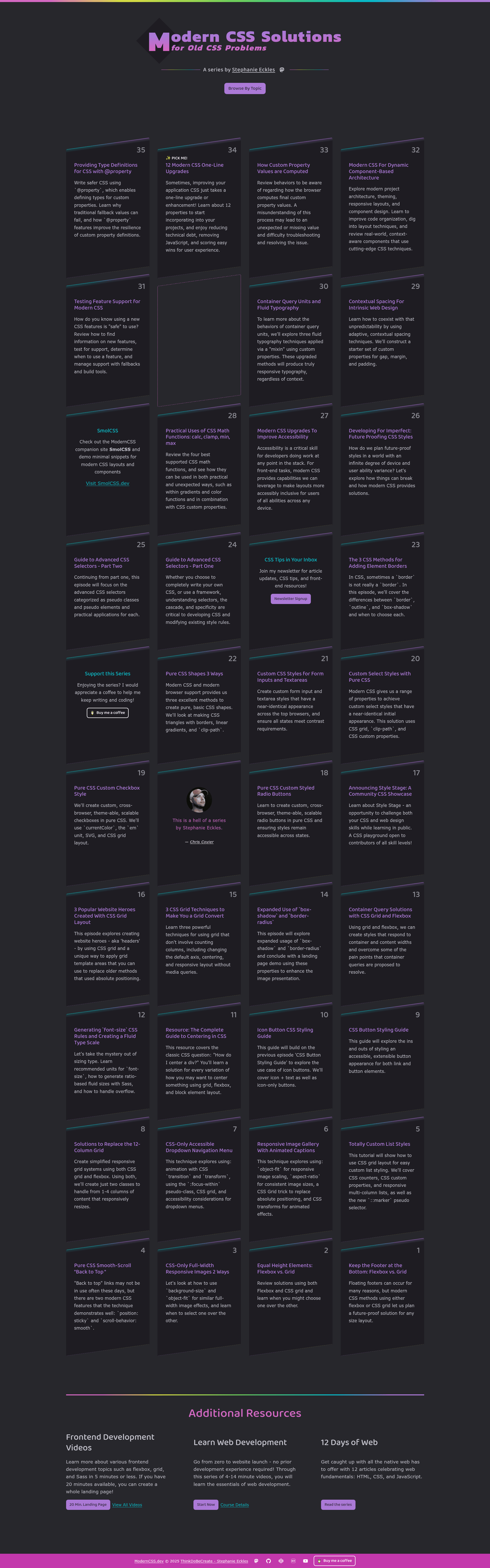
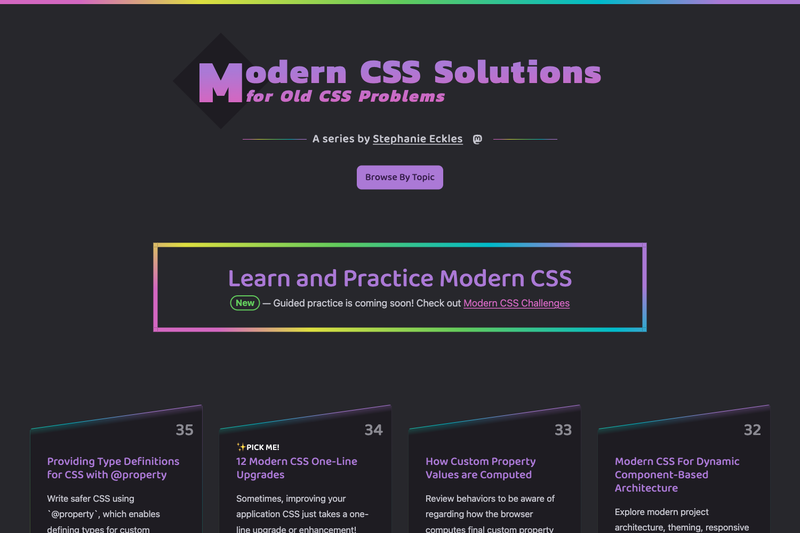
Posts from the series 'Modern CSS Solutions to Old CSS Problems' by Stephanie Eckles.
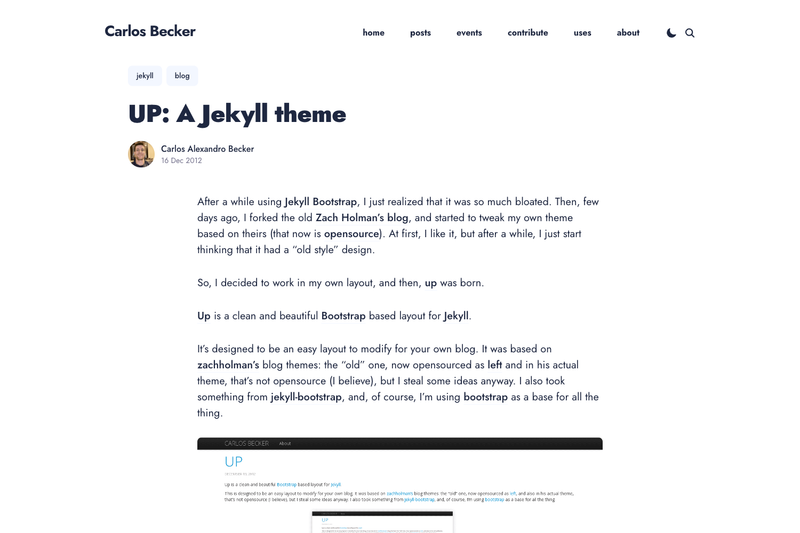
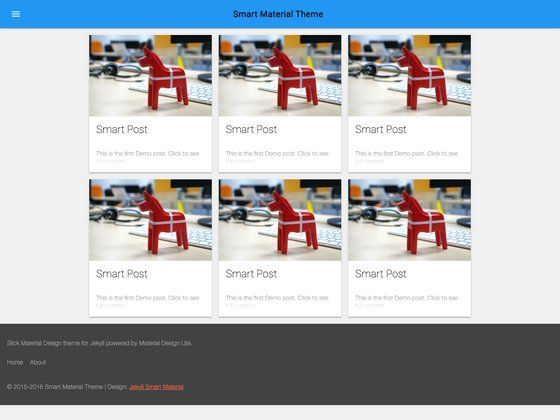
Clean and beautiful bootstrap based layout for Jekyll.
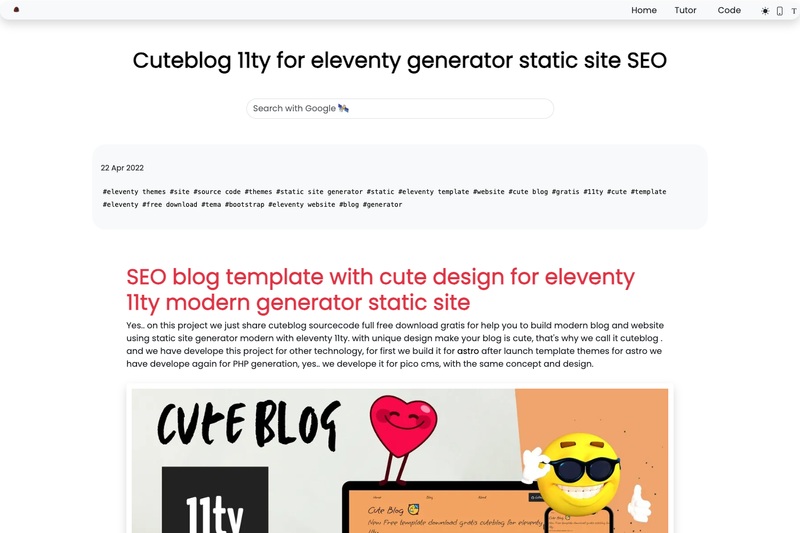
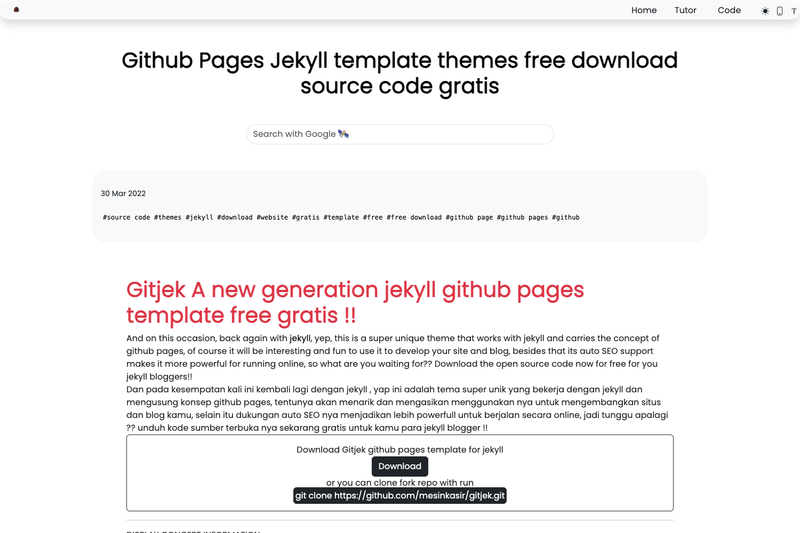
Cuteblog blog template for eleventy 11ty modern generator static site - Created with StackBlitz
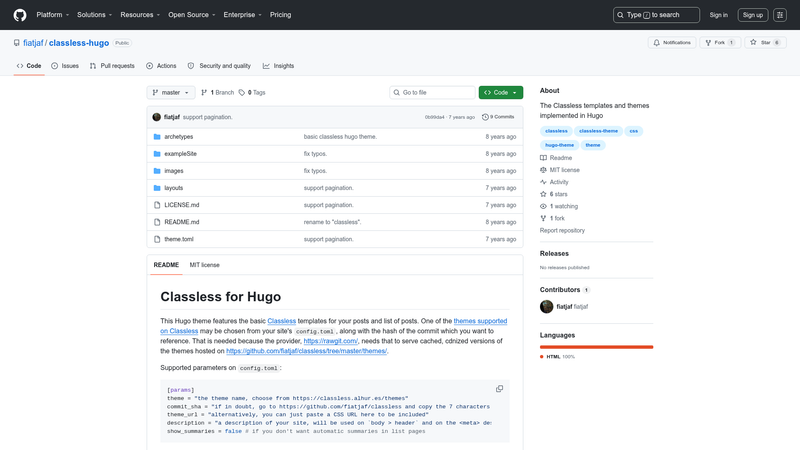
A Hugo theme that applies the Classless CSS templates, with theme selection via config.toml and optional per-post covers.
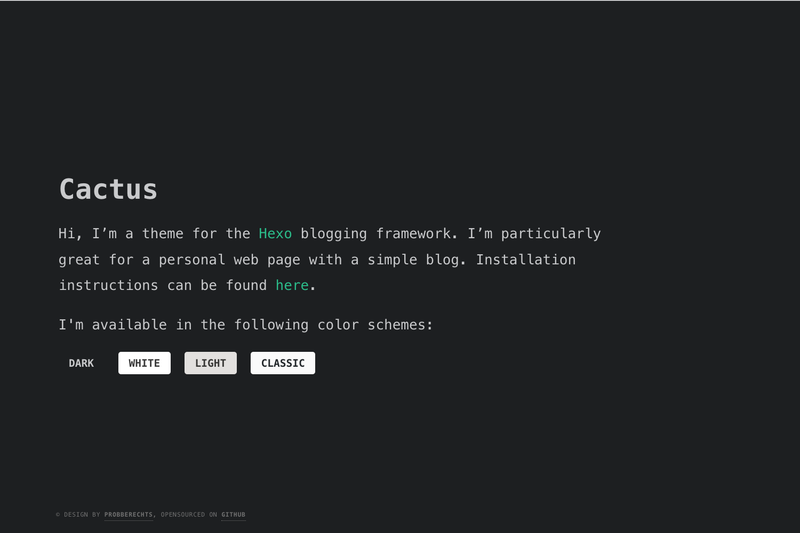
A responsive, clean and simple Hexo theme for personal websites with multiple color schemes, i18n, and comment support.
ModernCSS.dev is a website by Stephanie Eckles that hosts the series 'Modern CSS Solutions to Old CSS Problems', a collection of tutorials demonstrating modern CSS techniques, built with Eleventy.
ModernCSS.dev is a public GitHub repository and website hosting the article series "Modern CSS Solutions to Old CSS Problems" by front-end developer Stephanie Eckles (known as @5t3ph on social media). The site's core function is educational: it provides written tutorials that show how to solve recurring CSS problems using current browser-supported techniques. The repository is built with Eleventy (11ty), a Node.js static site generator, and its content is authored in Markdown with styles written in SCSS. The GitHub repository for the project has 151 stars and is publicly available for browsing and contributions.
Each post in the ModernCSS.dev series follows a consistent format: it names an old CSS problem, explains why the old approach fails, and then provides a modern solution with code examples. The content is organized as standalone articles, so developers can jump directly to the challenge they're facing. The list of available solutions is documented on the site, and new topics are suggested through GitHub issues.
ModernCSS.dev is created and maintained by Stephanie Eckles, a front-end developer and web advocate. She publishes the series as a public GitHub project and accepts donations through Buy Me a Coffee.
All of the content on ModernCSS.dev is freely accessible on the web. The repository is public, and the author accepts optional donations to support the project's ongoing development.
Yes. The project encourages readers to file issues on its GitHub repository for bugs, suggestions, or new solution ideas. Contributions to the content itself are made through the standard GitHub workflow.