Newsletter
Join the Community
Subscribe to our newsletter for the latest news and updates

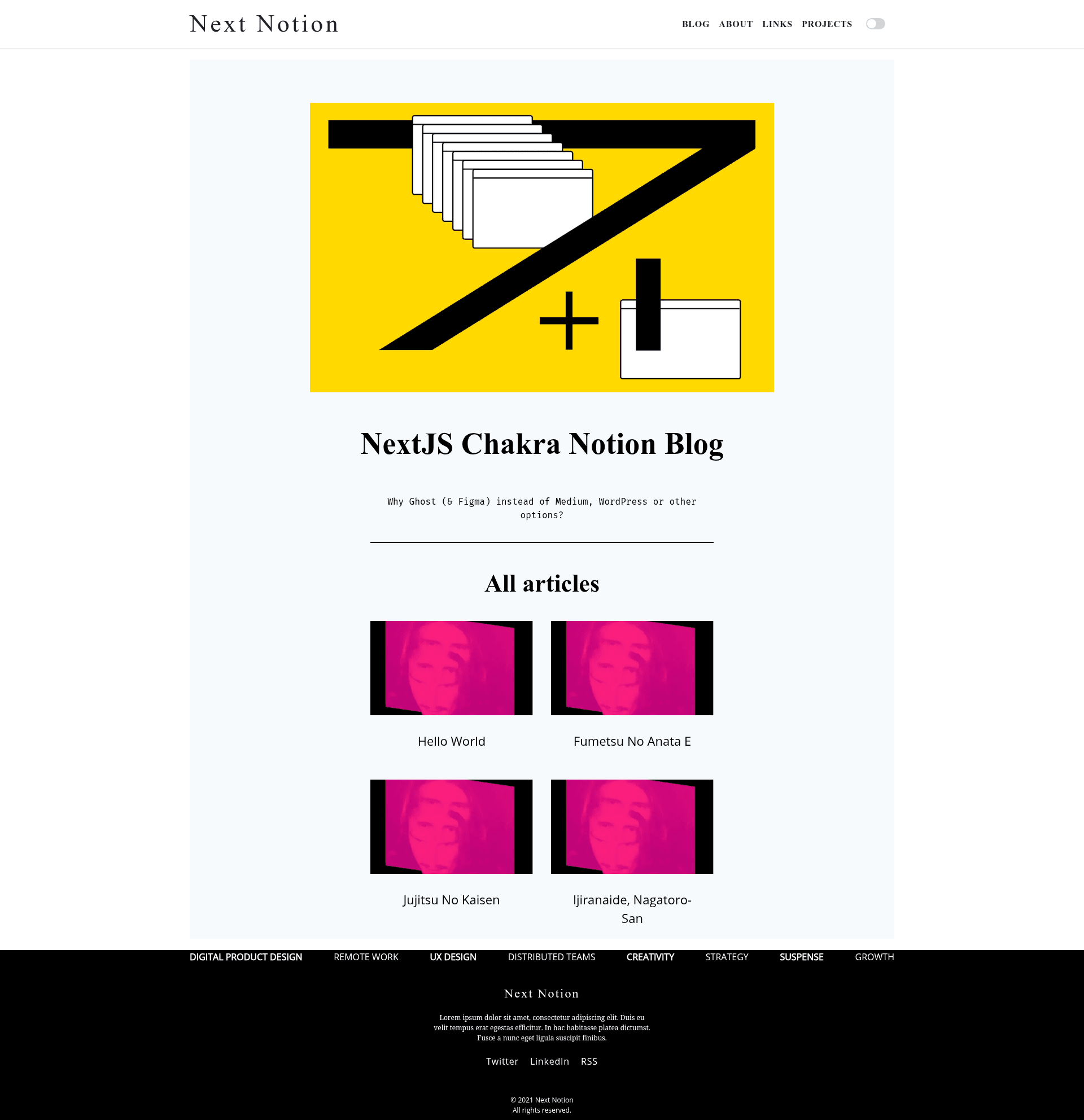
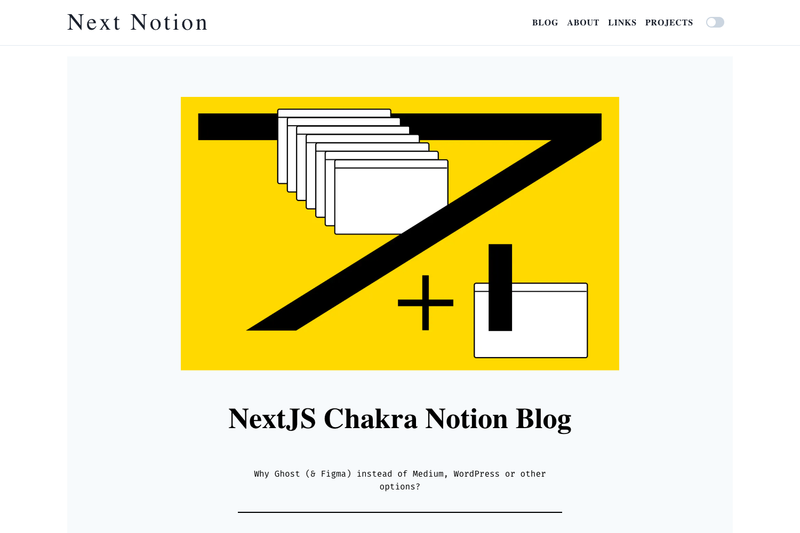
A Next.js blog starter that uses Chakra UI for styling and Notion as a headless CMS.

A clean, minimalist Ghost theme with light and dark mode for online publications.
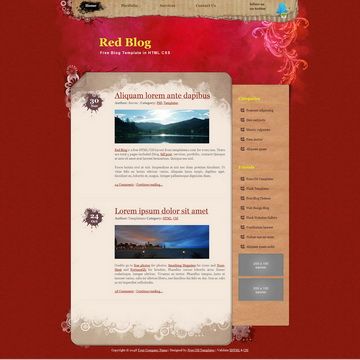
Red Blog Theme is a free HTML CSS template with total 5 different pages included. This is a 2-column layout with multi-level commenting.
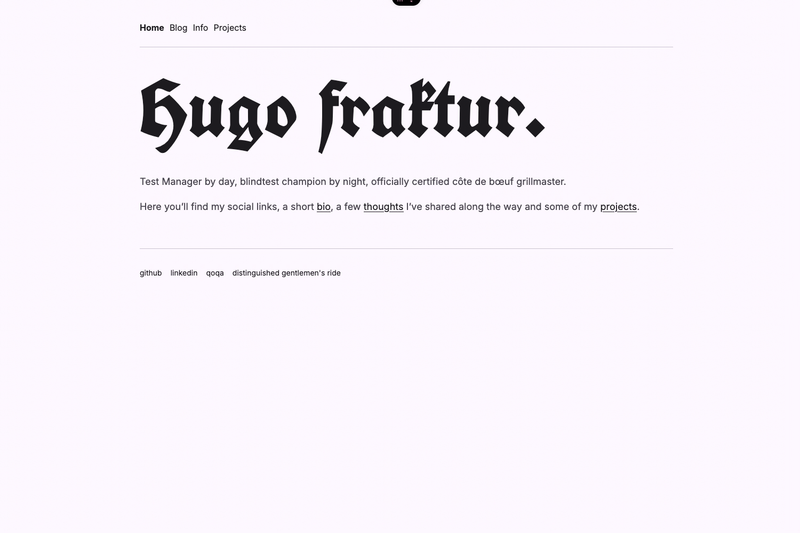
A minimalist Hugo theme with Fraktur/Inter typography, no pagination or taxonomies, built for fast, accessible blogs.
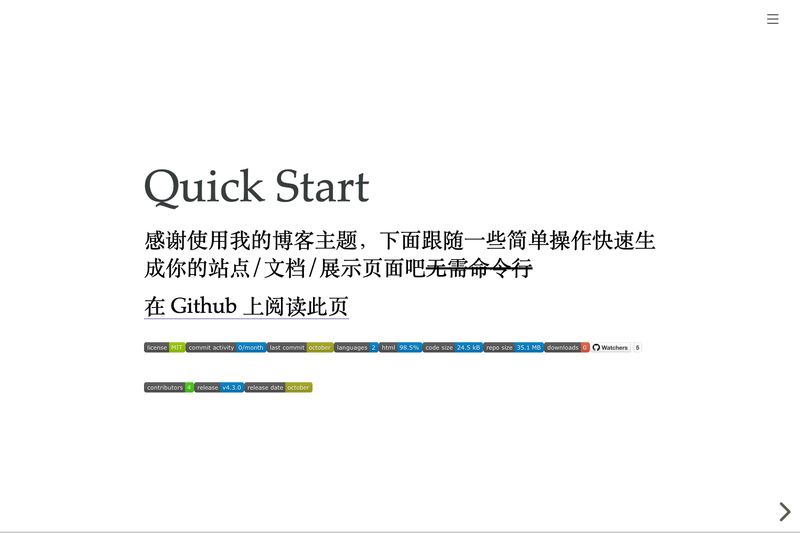
Content-first Jekyll blog theme using GitHub primer design with dark mode, KaTeX math, mermaid diagrams, and reveal.js slide layouts.
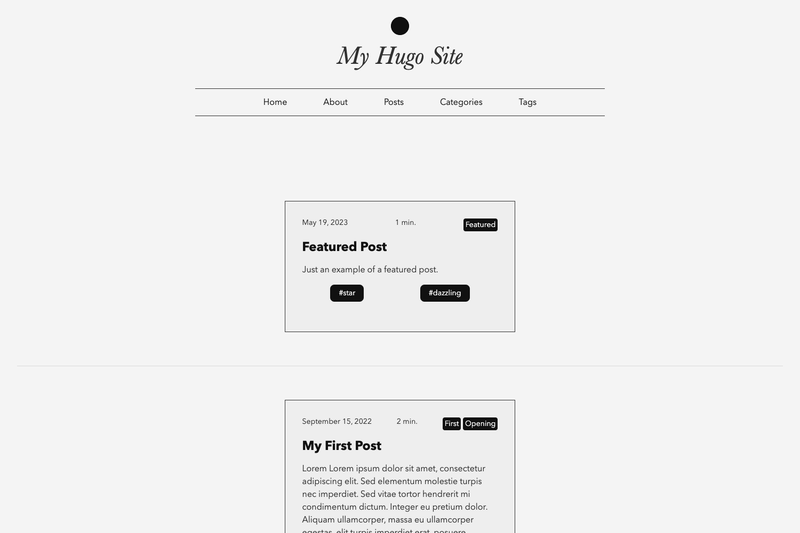
A Hugo theme with multiple color schemes
Nextjs Chakra Notion Blog is a GitHub template that combines Next.js, Chakra UI, and Notion to build a blog where content lives in a Notion database and the site is rendered with Next.js. The repository metadata describes it as a way to build a NextJS blog with Charaka UI and Notion, and it includes a reference to Samuel Kraft's article on building a Notion blog with the public API.
Nextjs Chakra Notion Blog is a starter template for a blog running on the Next.js framework, with the user interface built from Chakra UI components and content served from Notion through its public API. The template takes Notion pages as the content input and produces a fully styled blog site as output. It relies on React for component rendering and is available as an open-source repository on GitHub, with nine stars at the time of this description.
The most distinctive fact about this template is its content pipeline: instead of a traditional CMS or Markdown files, it uses Notion as the source of truth. This eliminates the need to maintain separate content files. The template is built on Next.js, which gives developers access to static generation and server-side rendering capabilities. Its styling comes from Chakra UI, a component library that offers theming and dark mode support out of the box. The repository also points to a detailed tutorial, helping developers understand how the Notion integration is wired.