Newsletter
Join the Community
Subscribe to our newsletter for the latest news and updates

A Hugo theme with multiple color schemes
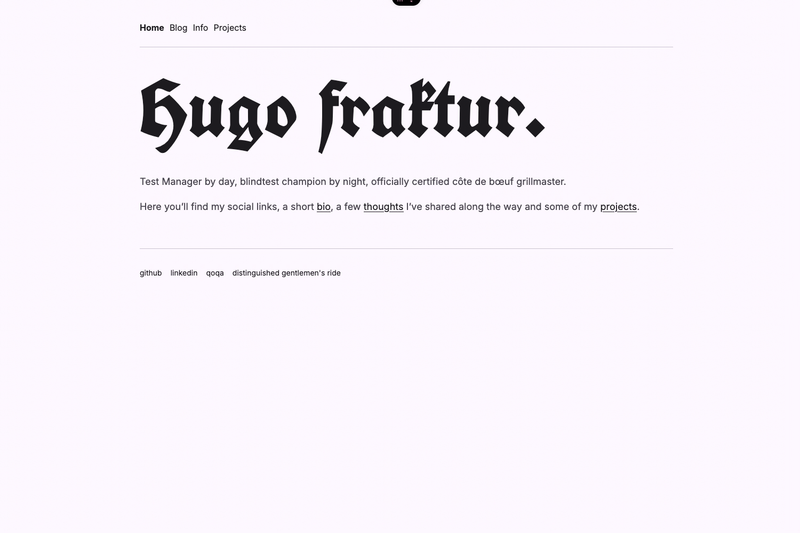
A minimalist Hugo theme with Fraktur/Inter typography, no pagination or taxonomies, built for fast, accessible blogs.
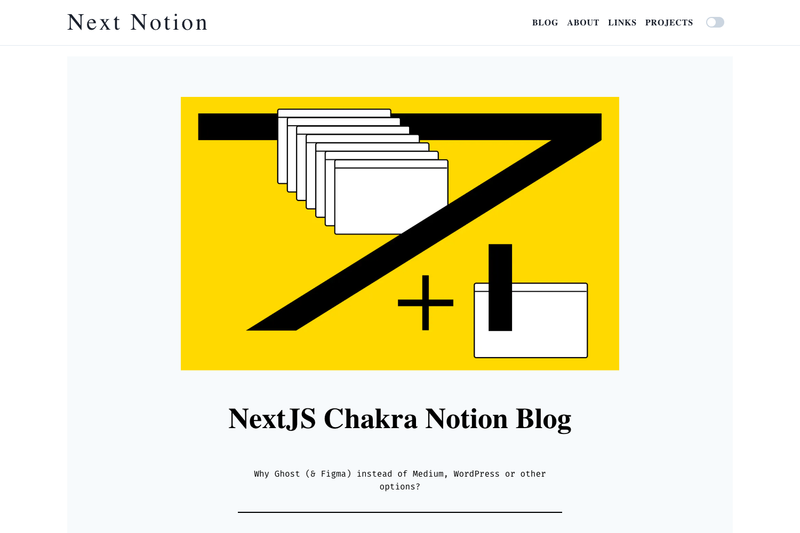
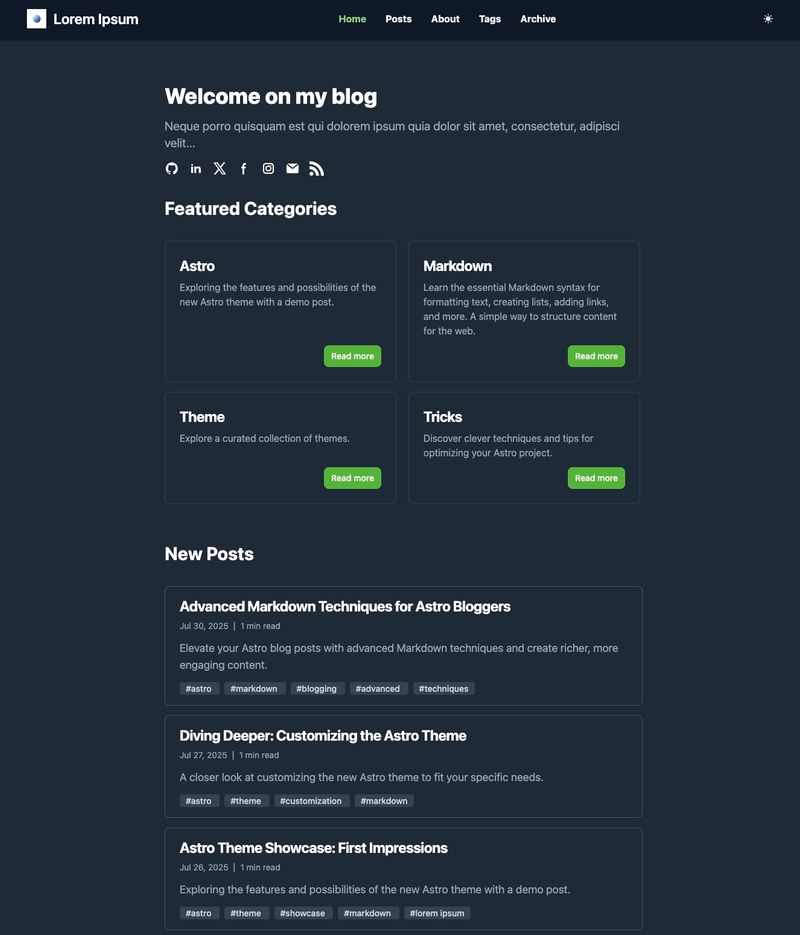
A Next.js blog starter that uses Chakra UI for styling and Notion as a headless CMS.
Content-first Jekyll blog theme using GitHub primer design with dark mode, KaTeX math, mermaid diagrams, and reveal.js slide layouts.
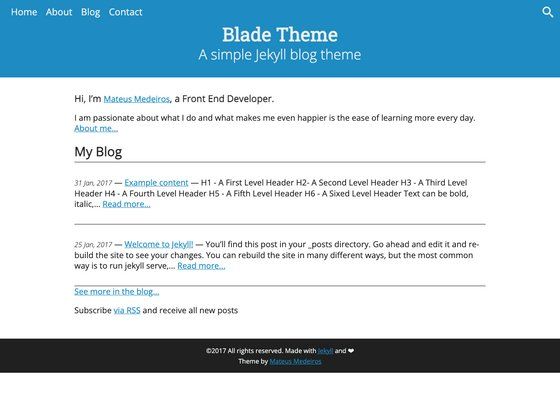
A simple Jekyll blog theme with responsive layout, SASS, syntax highlighting, pagination, search, Disqus comments, and SEO tags.
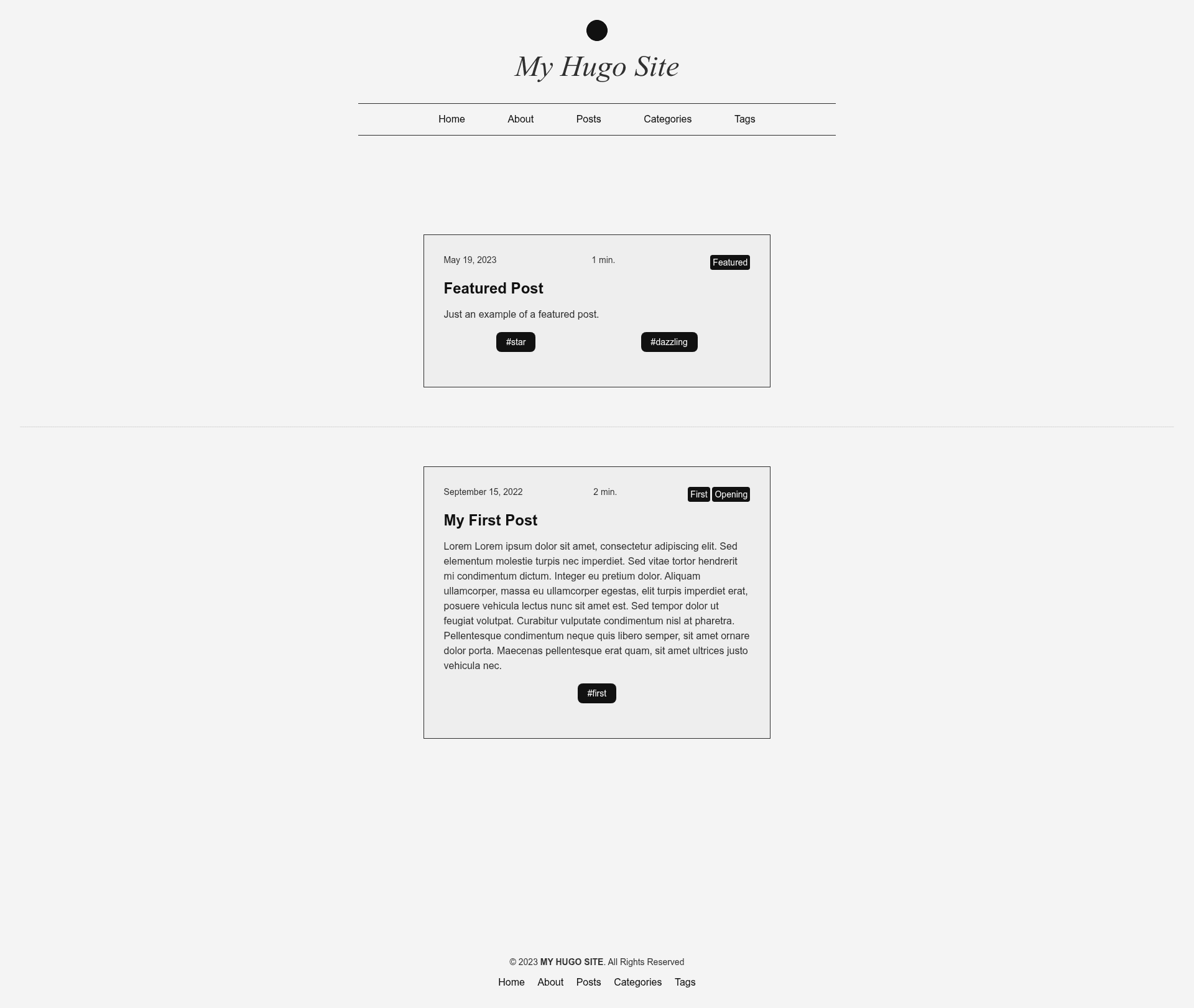
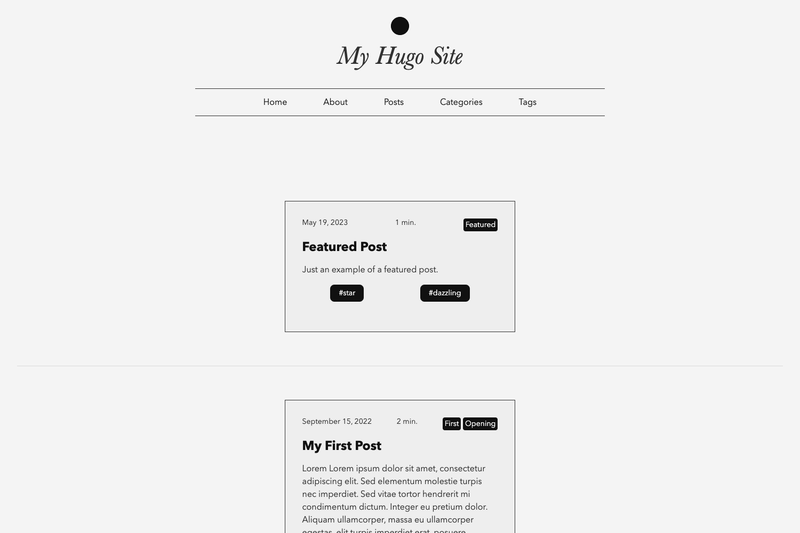
Kaleidoscope is a Hugo theme for building colorful, readable blogs and static sites, with colors and fonts that you can adjust from a single config file thanks to its Tachyons CSS foundation.
Kaleidoscope is a Hugo theme created by BravishkaSkytano, published on GitHub, that uses Tachyons CSS utility classes so site owners can define their own color scheme and fonts without rewriting theme stylesheets. It takes a standard Hugo site configuration (config.yml) plus content with frontmatter flags and outputs a fully responsive, multilingual-ready static site. The theme includes support for featured posts, related posts, taxonomy pages, table of contents, RSS, social links, FontAwesome icons, and a light/dark mode toggle.
featured: true in frontmatter to give it a prominent placement.toc: true in frontmatter.featured: true to highlight flagship articles and toc: true to add a table of contents to long posts.Install the theme as a Git submodule using git submodule add https://github.com/BravishkaSkytano/hugo-theme-kaleidoscope.git themes/kaleidoscope, then set theme: kaleidoscope in your config.yml. To customize colors, copy themes/kaleidoscope/static/colors.css into your site's static/css directory and edit the commented variables; copy the example config with cp -r themes/kaleidoscope/exampleSite/config.yml ./config.yml to get a working starting config.
Copy themes/kaleidoscope/static/colors.css to your site's static/css/colors.css and follow the instructions in the comments. Since Kaleidoscope is built on Tachyons CSS utility classes, the changes apply without touching any template files.
Yes, the project list marks "Light/Dark toggle" as completed. The theme includes a light/dark mode toggle for visitors.
Kaleidoscope is an open-source Hugo theme distributed through a public GitHub repository, so it can be used without a license fee; check the repository for the exact license terms.
Yes, multilingual mode is listed as a feature, so you can use Hugo's i18n capabilities to publish content in several languages.
The installation guide shows how to enable Dependabot for Git submodules or Go modules so the theme stays up to date on a weekly schedule.