Newsletter
Join the Community
Subscribe to our newsletter for the latest news and updates

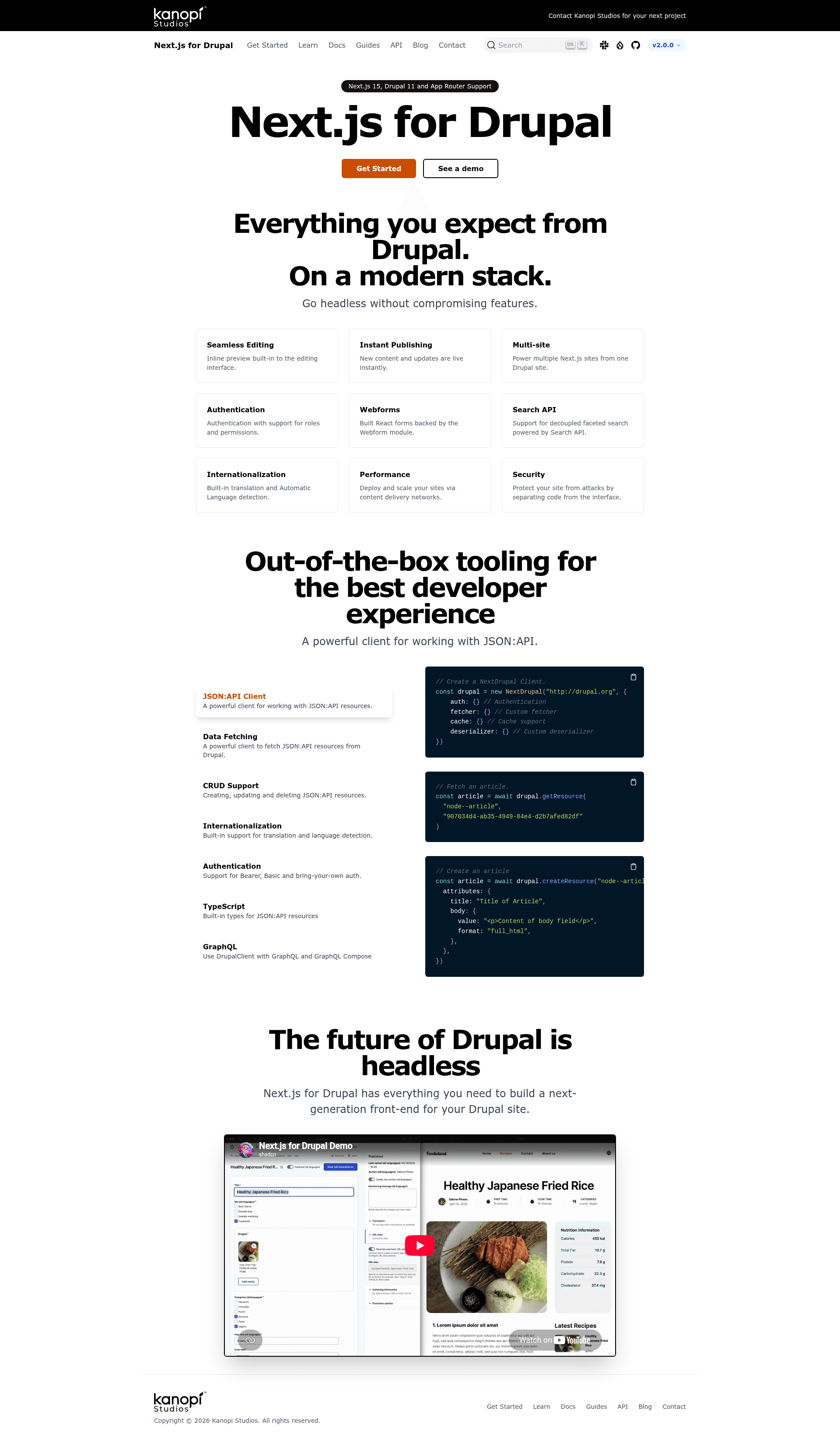
Example Next.js marketing site whose pages are assembled from Drupal Landing page nodes and paragraphs served over JSON:API.
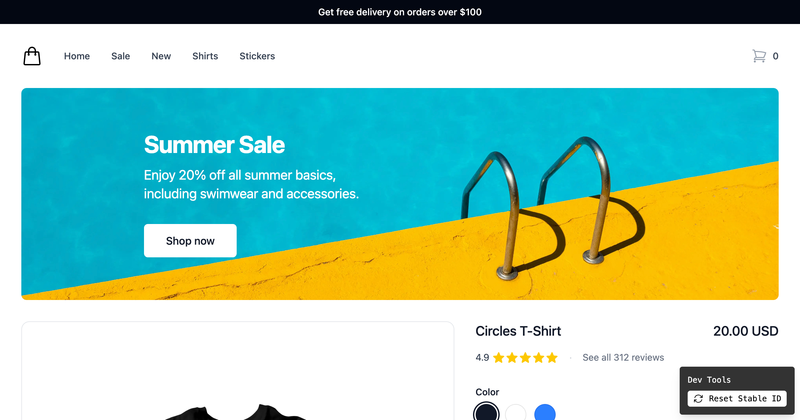
Next.js ecommerce demo by Vercel that toggles two promotional banners with code-defined Flags SDK feature flags, Flags Explorer, and Vercel Analytics.
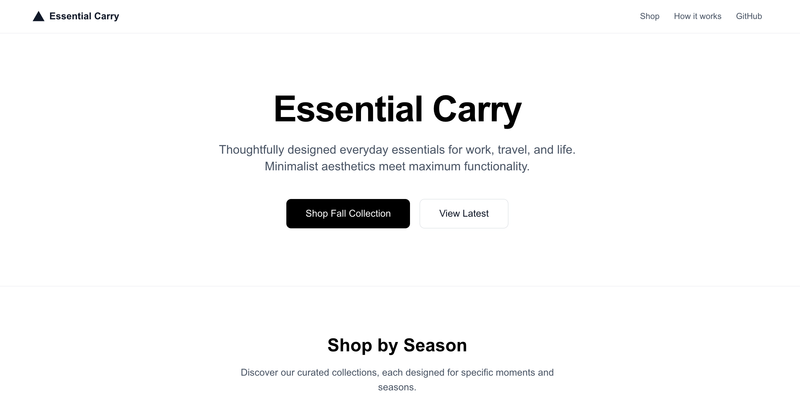
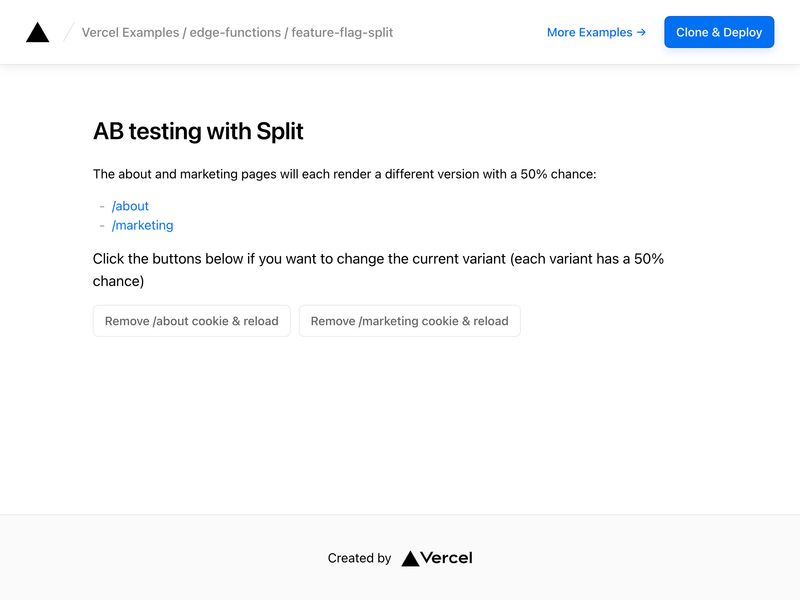
Curated collection of Vercel example apps, starter projects, and reference solutions you can clone, configure, and deploy.

Open-source Next.js starter kit from Astria for building an AI headshot generator SaaS, with Supabase auth, Stripe billing and Vercel deploy.
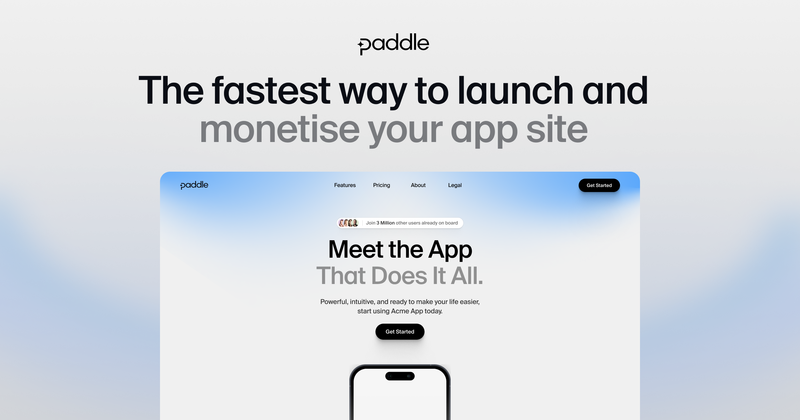
Next.js 15 starter from PaddleHQ that adds a pricing page and a Paddle Billing web checkout openable from iOS apps, with Apple Pay support.
example-marketing is a Next.js marketing site example that renders every page from content stored in Drupal and delivered over JSON:API, and it ships inside the chapter-three/next-drupal project. It is a working reference implementation rather than an empty starter: pages are built from the Drupal Landing page node type plus paragraphs, all sourced from the /drupal endpoint, and the result is viewable at https://demo.next-drupal.org.
example-marketing is an example marketing site built with Next.js that renders pages composed entirely from Drupal content exposed through JSON:API. Instead of hard-coding copy into the front end, the template reads the Drupal Landing page node type and its paragraphs from the /drupal endpoint and renders them as marketing pages. It is published by the next-drupal project (chapter-three/next-drupal) under the MIT license, and a live build is hosted at https://demo.next-drupal.org.
/drupal path, keeping the data layer simple to point at another Drupal instance./drupal endpoint at your own Drupal installation to get a first draft quickly./drupal endpoint at a staging Drupal site to see how existing content behaves in a Next.js front end.The template issues requests to a Drupal JSON:API endpoint mounted at /drupal, retrieves the Landing page node and its paragraphs, then renders those structured fields as Next.js page sections. The published demo at https://demo.next-drupal.org runs that same flow against a live Drupal backend, so the front end contains layout and presentation logic while Drupal holds the text and structure.
Yes. It is licensed under the MIT license, and the license file lives in the next-drupal repository at chapter-three/next-drupal. That permits commercial and private use, modification and redistribution, provided the license notice is kept.
Content is not stored in the front end. Pages are built from the Drupal Landing page node type and paragraphs, retrieved over JSON:API from the /drupal endpoint, so a Drupal site is the system of record for everything the pages display.
Yes. A hosted version of this example is published at https://demo.next-drupal.org, which renders the Drupal-sourced landing pages through the Next.js front end.
This example uses JSON:API. The wider next-drupal project states that it works with both JSON:API and GraphQL, so GraphQL is an option in the library even though this particular marketing example is wired to JSON:API.
Yes. The template is a front end that consumes Drupal data, so it needs a Drupal backend exposing the Landing page node type, paragraphs and a JSON:API endpoint to render real content.