Newsletter
Join the Community
Subscribe to our newsletter for the latest news and updates

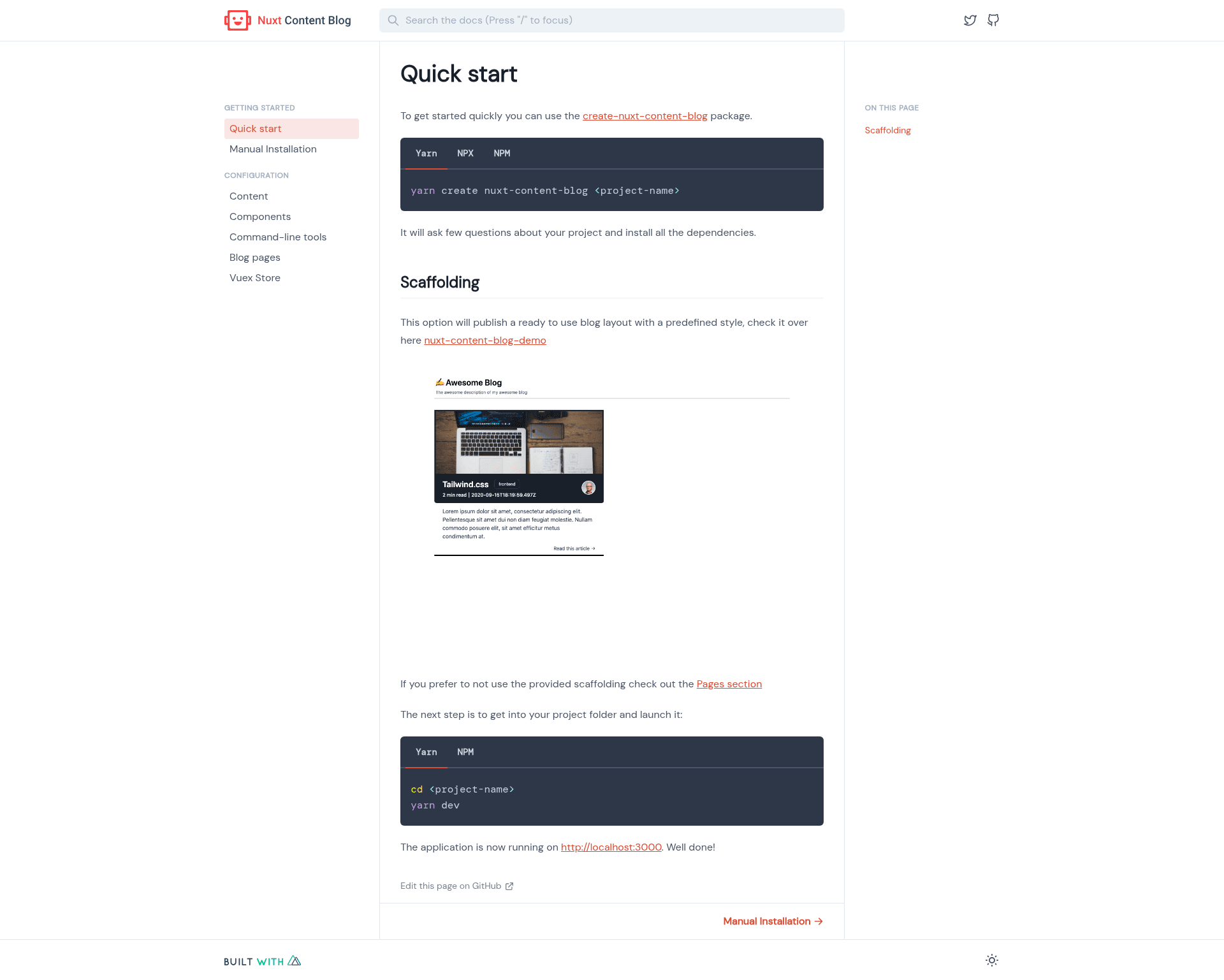
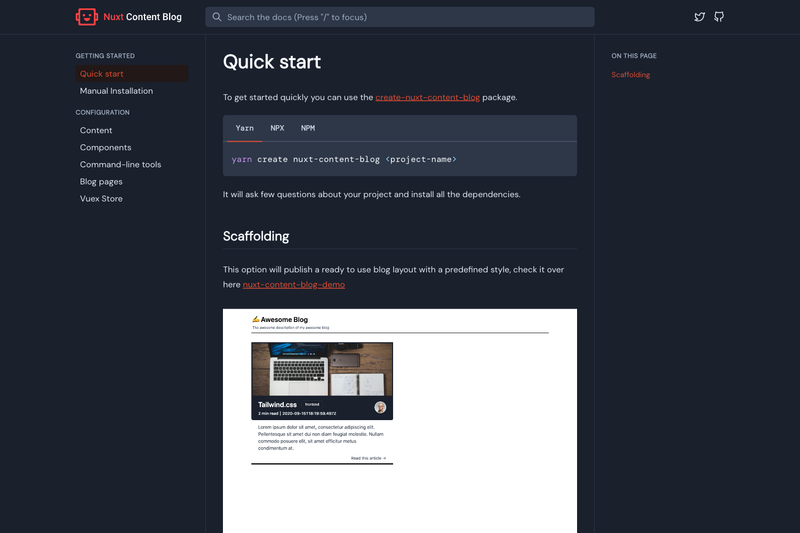
Create blog posts from the command line and get them up and running automatically with this Nuxt starter template.
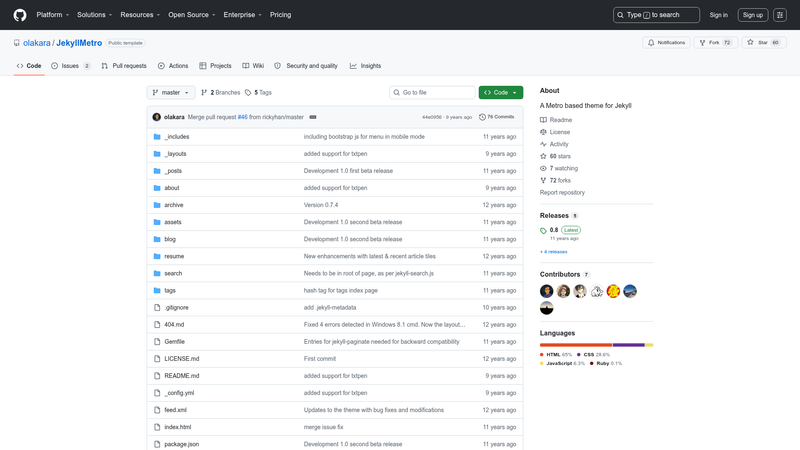
A metro-inspired Jekyll theme for personal sites with blogs, built on Bootstrap.
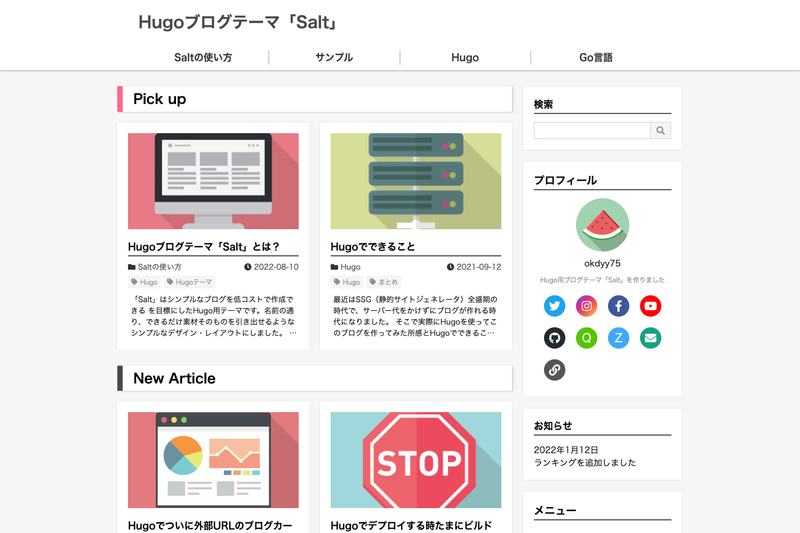
A minimal Hugo blog theme called Salt, designed for simple text-focused blogs, with example content and a development config.
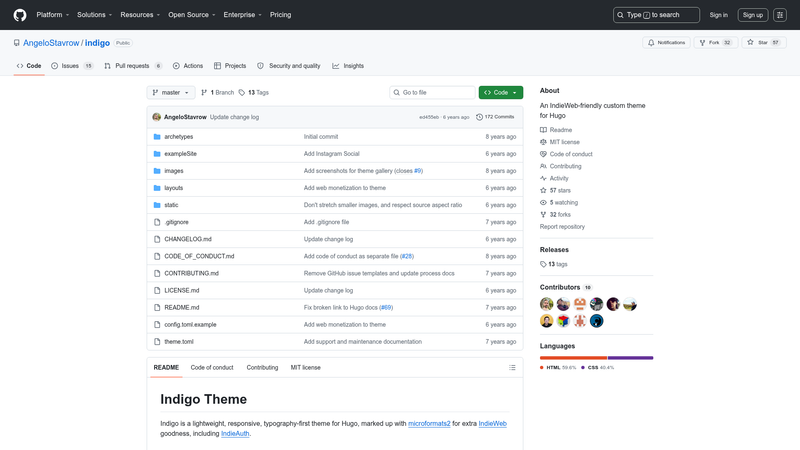
An IndieWeb-friendly, typography-first Hugo theme with microformats2 markup and IndieAuth support.
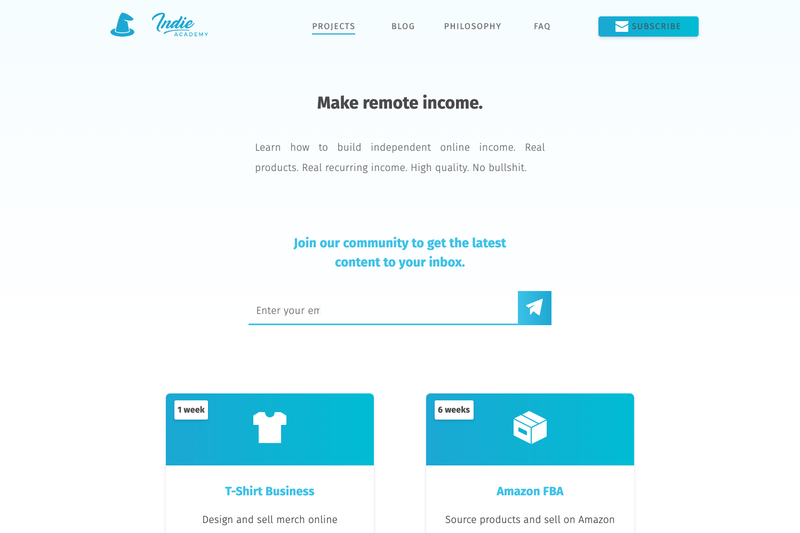
Hugo theme for blog and content sites, with a webpack and postcss build setup.
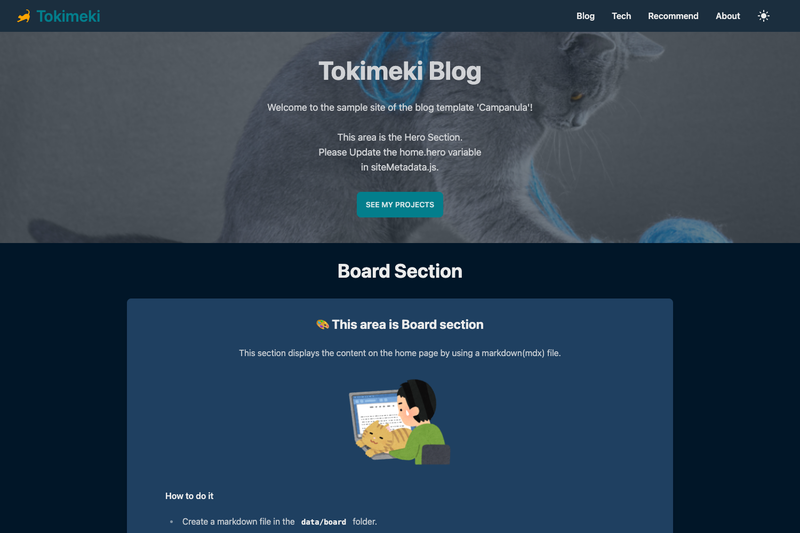
A simple blog template built with Next.js that allows you to generate static blog pages from Markdown files.

A clean, minimalist Ghost theme with light and dark mode for online publications.
Nuxt Content Blog is a Nuxt.js starter template and CLI scaffold that creates a blog powered by the @nuxt/content module, with commands for writing posts from the terminal and automatically starting your dev server.
Nuxt Content Blog is an open-source package published under the @64robots organization. It provides a project generator that you run with yarn create nuxt-content-blog or npx create-nuxt-content-blog, passing a project name as the argument. The generator scaffolds a complete Nuxt blog pre-configured with the @nuxt/content module, which lets you write posts in Markdown and have them rendered as a blog. It runs on Node.js and relies on yarn or npx to fetch and execute the generator.
yarn create nuxt-content-blog my-blog or npx create-nuxt-content-blog my-blog to generate a new project in seconds.Using the template is a two-step process: you run either yarn create nuxt-content-blog <project-name> or npx create-nuxt-content-blog <project-name> in your terminal. The command fetches the generator package, asks for a project name, then scaffolds a full Nuxt application configured with @nuxt/content. After that, the project's own CLI lets you create posts and starts the dev server automatically.
Nuxt Content Blog is free. It is released under the MIT License, so there is no licensing fee and you are free to modify and reuse the generated blog.
Run yarn create nuxt-content-blog my-blog or npx create nuxt-content-blog my-blog in your terminal. Replace my-blog with your chosen project name. The command downloads the generator and scaffolds a complete Nuxt blog in your current directory.
Yes. The template is open source under the MIT License, which means it is free to use, modify, and distribute. You do not need to pay anything to generate a blog or use the generated code commercially.
It uses Nuxt.js, a Vue-based framework, and the @nuxt/content module. Blog posts are written as Markdown files and rendered by Nuxt's content engine into a working blog site.
Yes. The project is designed for command-line post creation. The repository description states you can "create blog posts from the command line and get them up and running automatically," so you can author and preview posts entirely from the terminal.