Newsletter
Join the Community
Subscribe to our newsletter for the latest news and updates

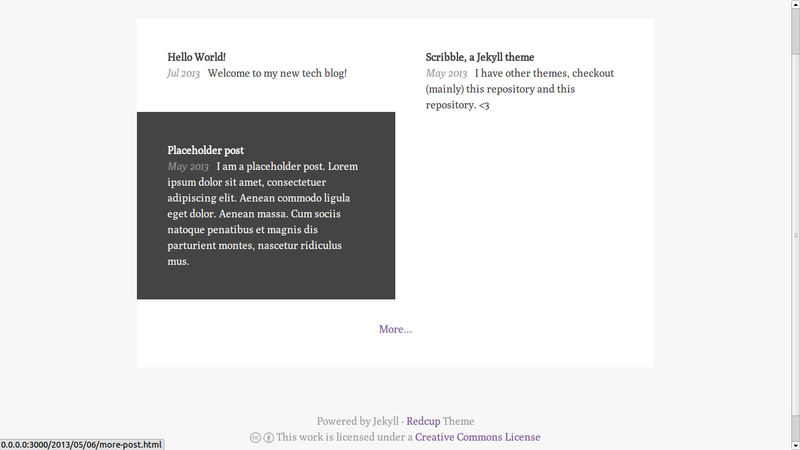
A minimal Jekyll blog theme based on Rasmus Andersson's design, with front, post, search, and archive pages.
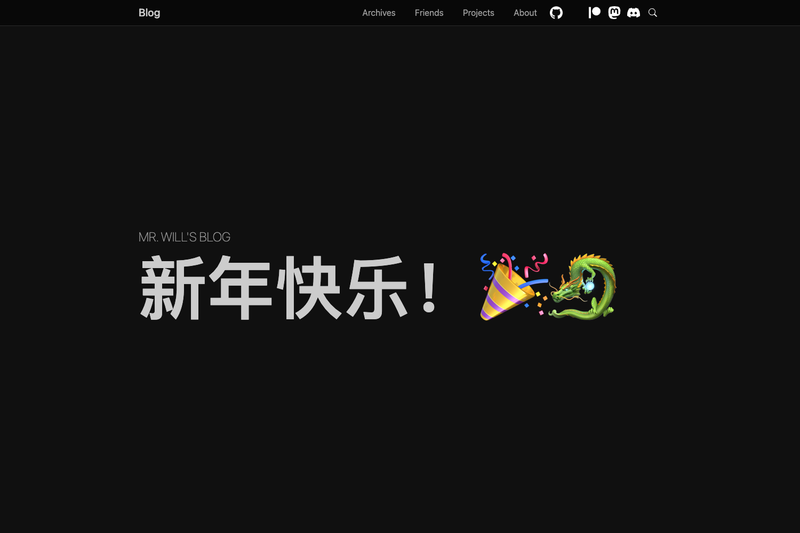
A modern Hexo blog theme based on Apple's Cupertino design, styled like Apple Newsroom.
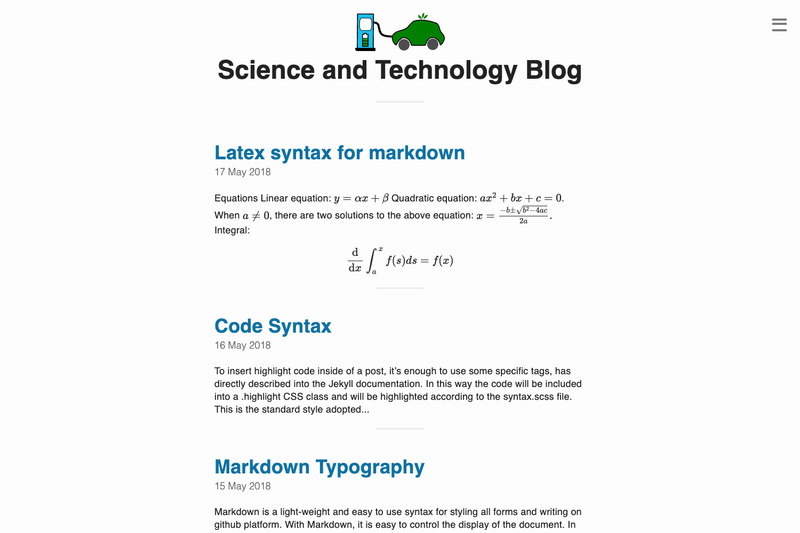
A Jekyll-based website for writing blog posts, especially optimized for scientific writers.
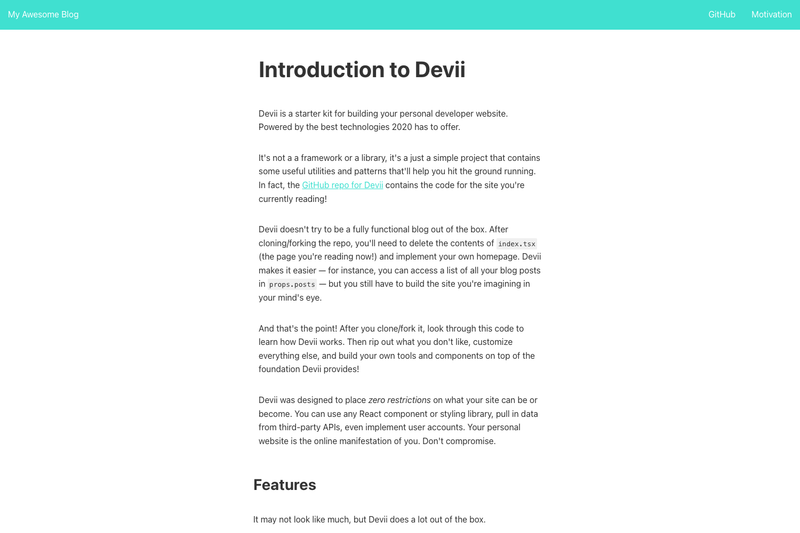
A developer blog starter built with Next.js, React, TypeScript, and Markdown, featuring syntax highlighting, SEO, and RSS generation.
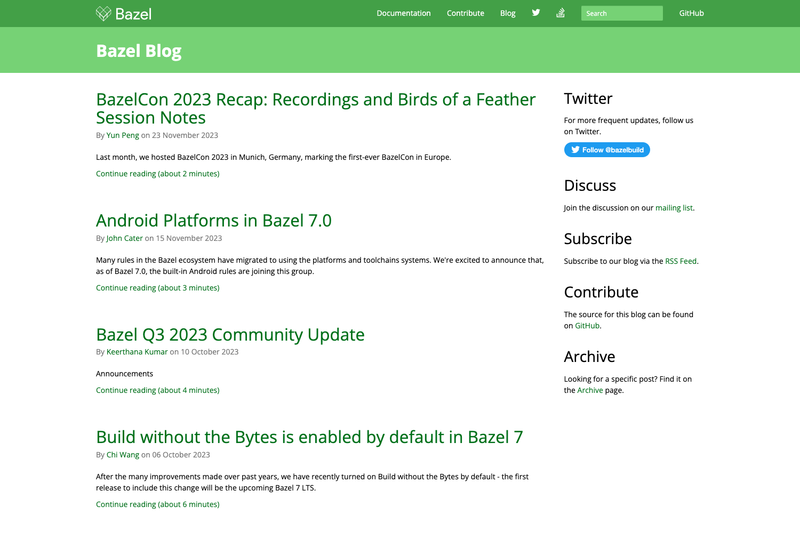
Content repository for the official Bazel blog, built with Jekyll and deployed automatically to blog.bazel.build.
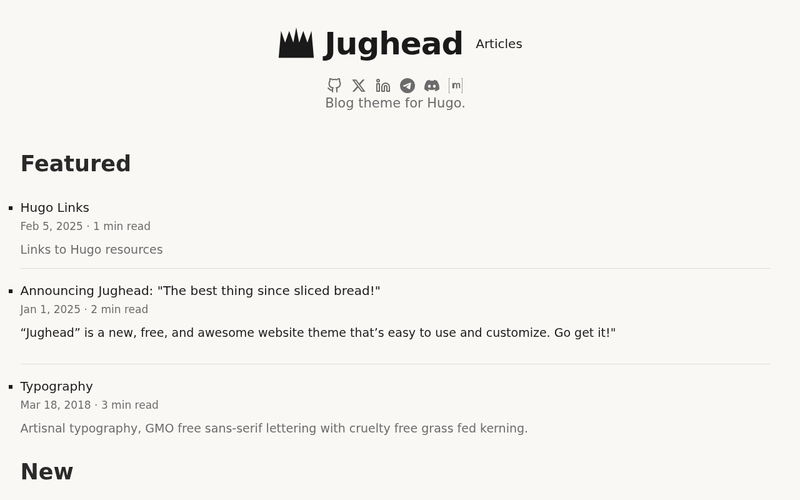
A Hugo blog theme with giscus comments, Mermaid diagrams, KaTeX math, offline caching, and two themes.
RedCup is an open-source Jekyll blog theme that reuses Rasmus Andersson's blog design, bundling a front page, post layout, client-side search, and archive view into one static-site template.
RedCup is a Jekyll theme for personal blogs and portfolios, built on the base framework of Rasmus Andersson's blog. It accepts standard Jekyll Markdown posts and generates a static site with four distinct page templates: a front page listing posts, a post page for articles, a search page for finding content, and an archive page for browsing by date. The theme is hosted on GitHub and maintained by the user iamnii, with a live demo available at iamnii.github.io/redcup.
Yes, RedCup is an open-source theme hosted on GitHub, so you can download, modify, and use it for personal or commercial projects without a license fee.
RedCup includes a dedicated search page as one of its core page templates. The implementation is part of the theme and works with the static site output.
You need Jekyll, the static site generator built with Ruby, and a Markdown editor. After writing posts, you run the Jekyll build command to produce the static HTML files.
Since RedCup is a Jekyll theme, you can edit the Liquid templates, CSS, and configuration files to change colors, fonts, and layout. The source code is all in the GitHub repository.
The live demo is at iamnii.github.io/redcup, and screenshots of the front, post, search, and archive pages are included in the repository.