Newsletter
Join the Community
Subscribe to our newsletter for the latest news and updates

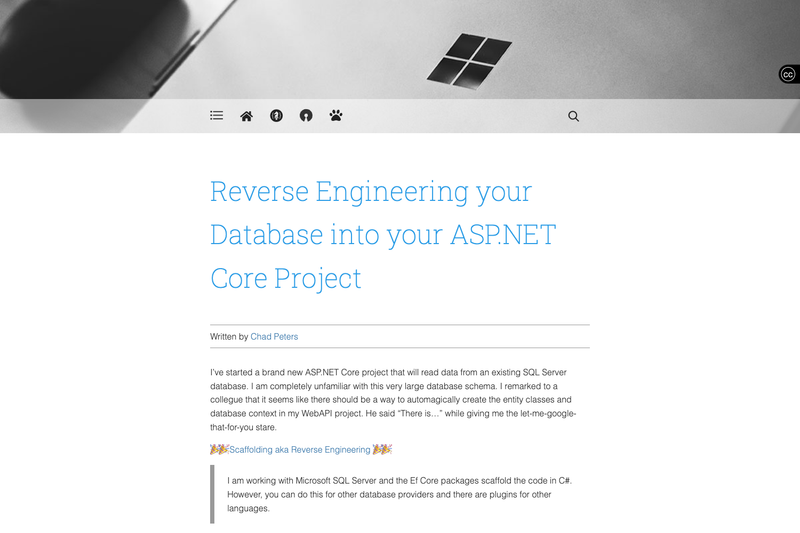
The technical blog for the Ritter Insurance Marketing development department.
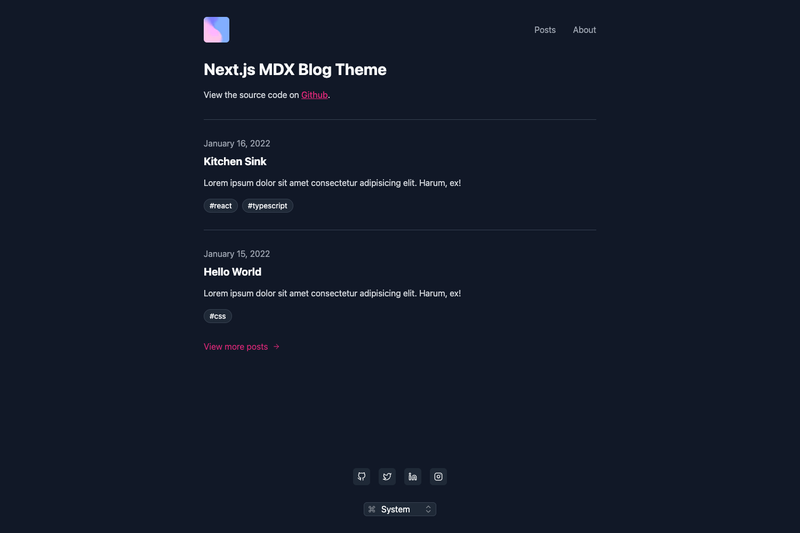
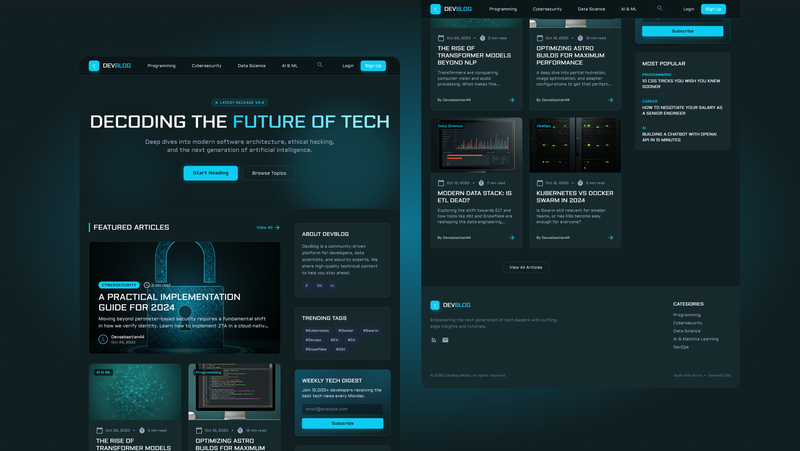
Starter template for a personal website blog, built with Next.js, MDX, and Tailwind CSS.
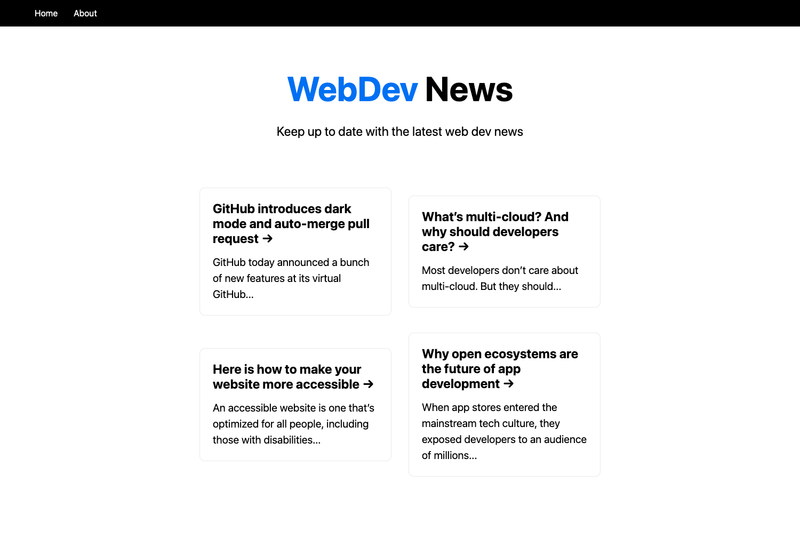
A simple blog project based in NextJS (ReactJS); Next.js Crash Course
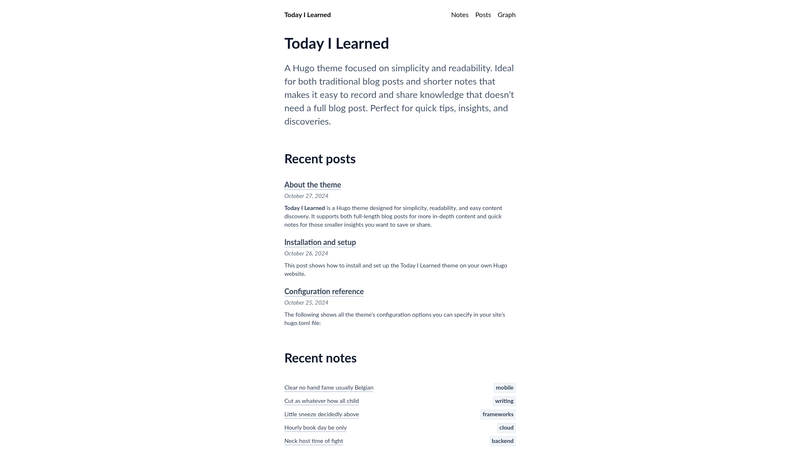
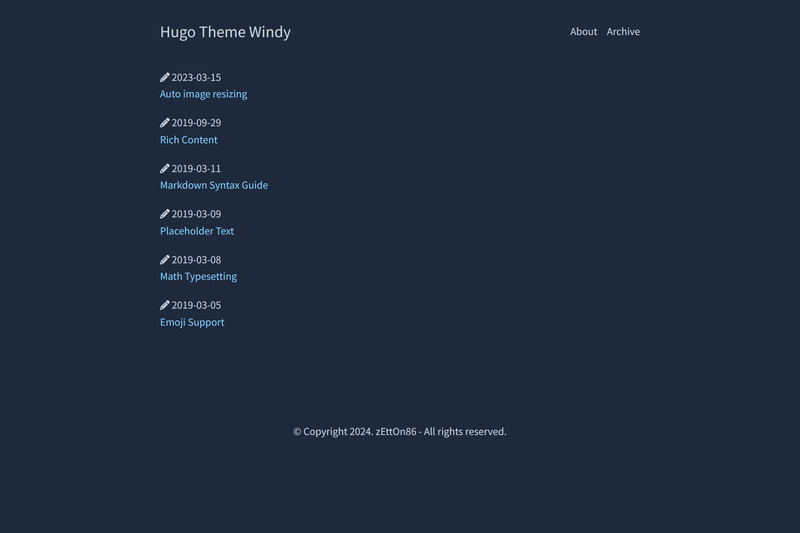
A Hugo theme for short notes and blog posts with content graph, side notes, and generative AI crawler blocking.
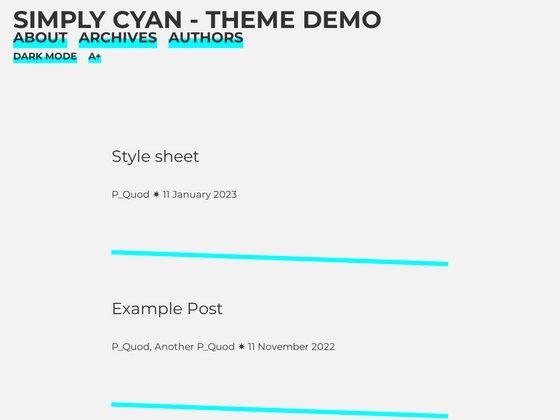
A Jekyll theme dedicated to text and reading, offering dark/light mode, adjustable font size, and serif/sans-serif toggles for better readability.
The Rimdev Blog is an Astro-based technical blog template that turns Markdown posts with structured frontmatter into a multi-author blog with tag, category, author, and pets pages. It is the open-source template behind rimdev.io, the blog of the Ritter Insurance Marketing development department, and is distributed as a GitHub repository that runs on a standard Node.js setup.
Rimdev Blog is a blog template built on the Astro framework and styled with SCSS. It takes Markdown content from src/content/posts/ and src/content/authors/ as input, and outputs a static blog with posts, tags, categories, author profiles, and a custom pets page. The repository's description identifies it as the technical blog for the Ritter Insurance Marketing development department, and it has been released publicly as a template others can clone and adapt.
src/content/, giving the template a file-based content model.title, slug, date, authors, tags, categories, twitter_text, and optionally image, image_url, and image_credit fields.public/images/ and referenced as images/...; omitting the image field makes the template use a default system image.image_url and image_credit fields let post authors credit CC-licensed images, as demonstrated with a Flickr example in the setup docs.src/content/authors include name, slug, avatar, title, description, Twitter handle, and GitHub handle.public/images/pets/ plus an entry in src/data/pets.json populate a dedicated pets page, a distinctive non-technical feature.twitter_text field that controls the text shown when shared to Twitter.Development teams that want a Markdown-driven engineering blog with multiple author profiles and a controlled frontmatter structure will find this template ready to adapt. Technical bloggers who need per-post Twitter share text and proper image attribution for Creative Commons photos can use the provided fields directly. Teams exploring Astro for static site publication can use this repository as a working example of content collections, SCSS styling, and data-driven pages like the pets page.
YYYY-MM-DD-POST-TITLE.md naming convention.image, image_url, and image_credit fields to present photos and honor Creative Commons licenses; the template's own subtitle credits photography by JJ Walck.public/images/pets/ and editing src/data/pets.json, giving the blog a humanizing extra section.The setup process is a standard Node.js workflow: install the latest Node, clone the repository, run npm install, then npm run start. To publish a post, create a markdown file in src/content/posts/ with the required frontmatter, add any images to public/images/, and optionally extend author profiles or the pets data. The template builds the static site from these files, and the repository's documentation walks through each step.