Newsletter
Join the Community
Subscribe to our newsletter for the latest news and updates

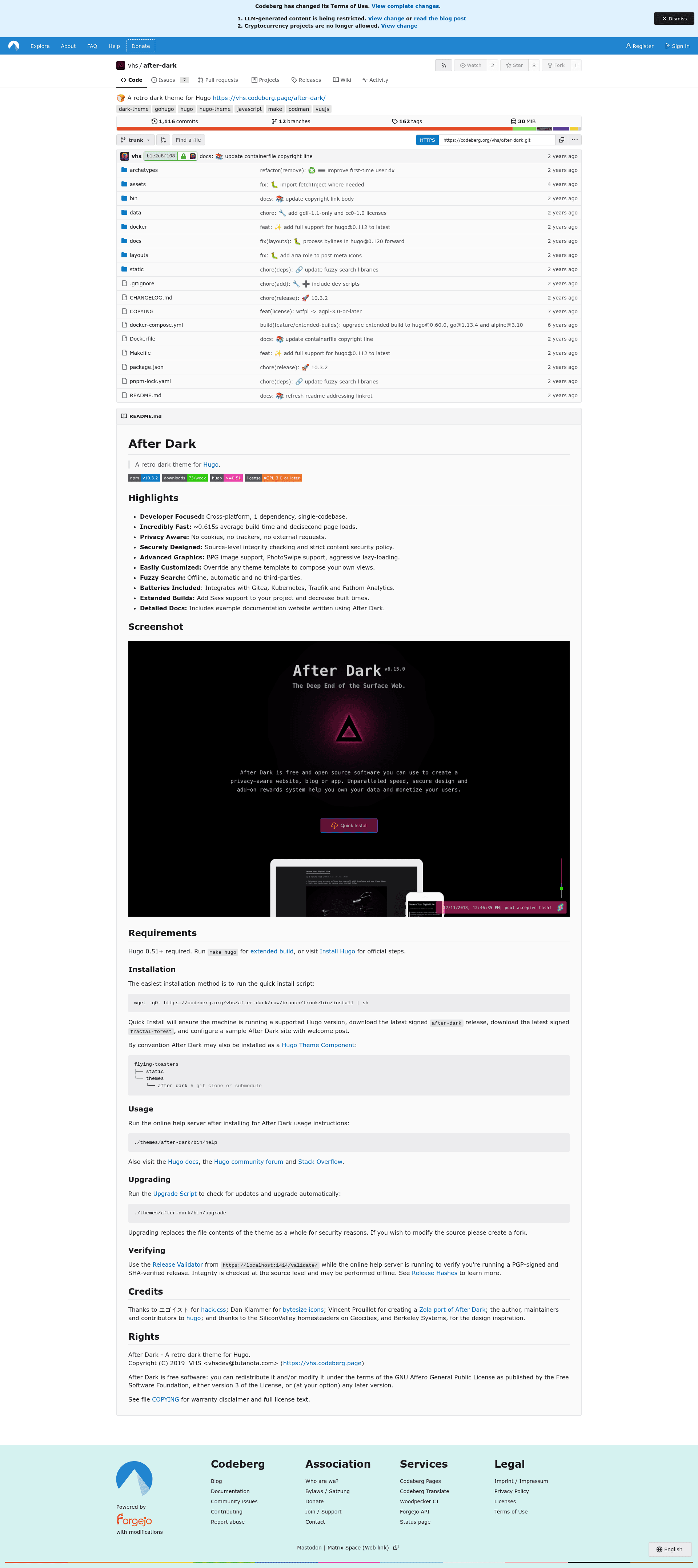
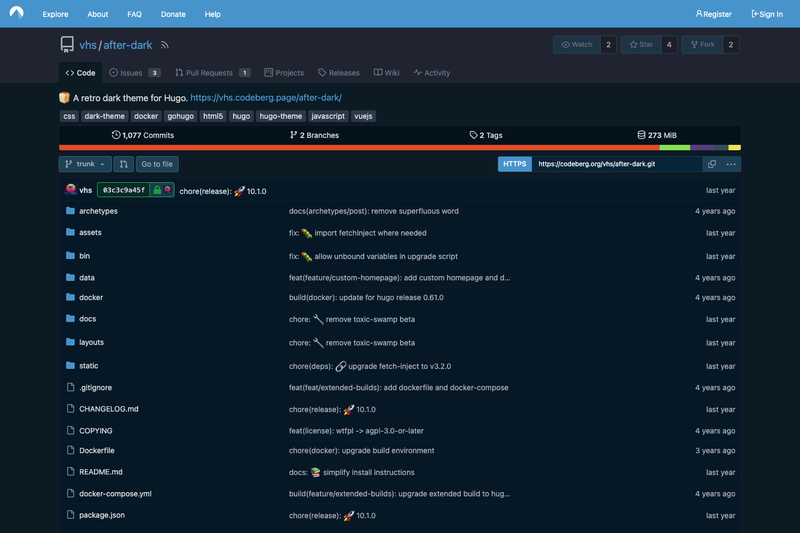
A retro dark theme for Hugo with fast builds, privacy by default, offline fuzzy search, and BPG/PhotoSwipe support.
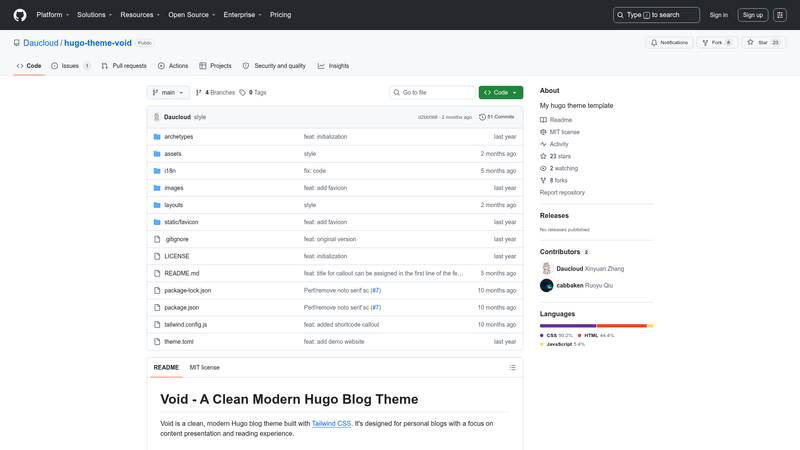
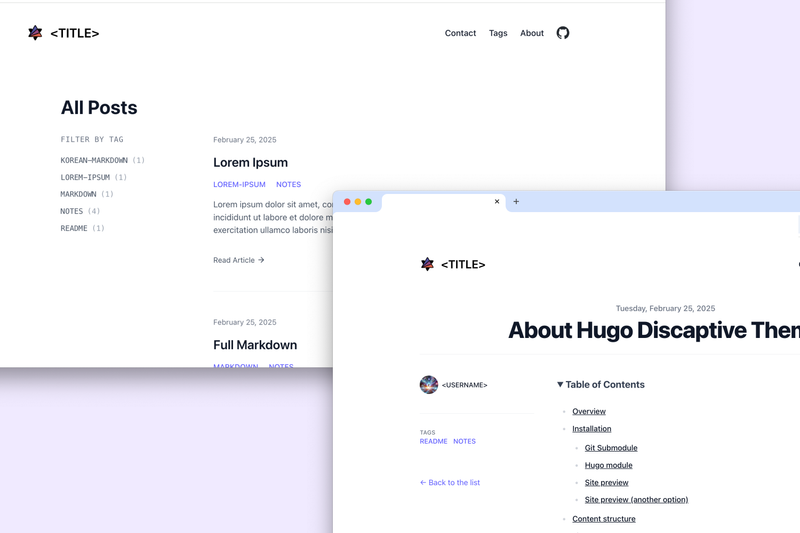
A clean, modern Hugo blog theme with Tailwind CSS, dark mode, TOC, code highlighting, and KaTeX support.
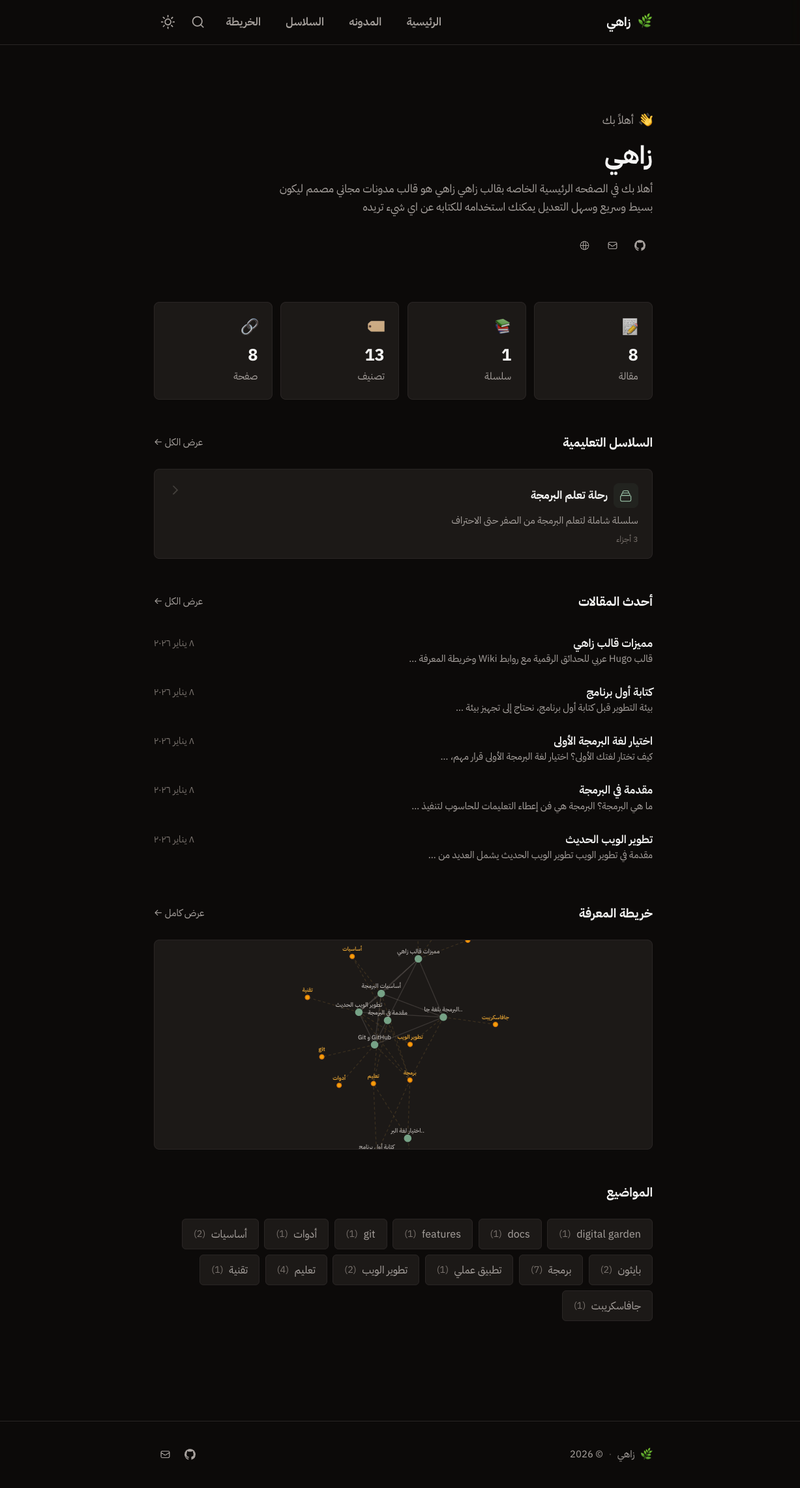
Modern Hugo theme for Arabic digital gardens with RTL support, knowledge graph, wiki links, and a project portfolio.
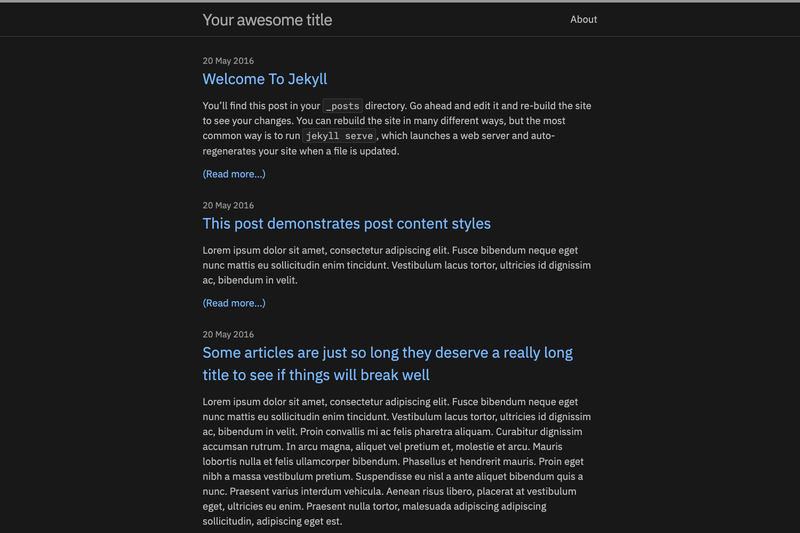
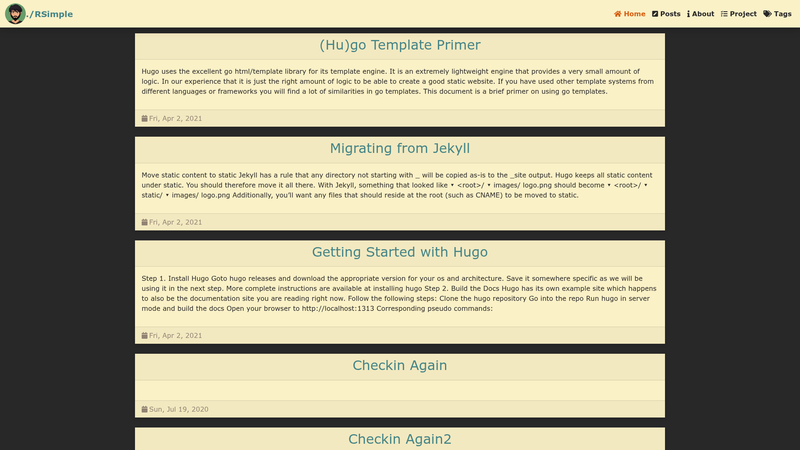
Fork of Jekyll Minima theme using IBM Plex family of fonts
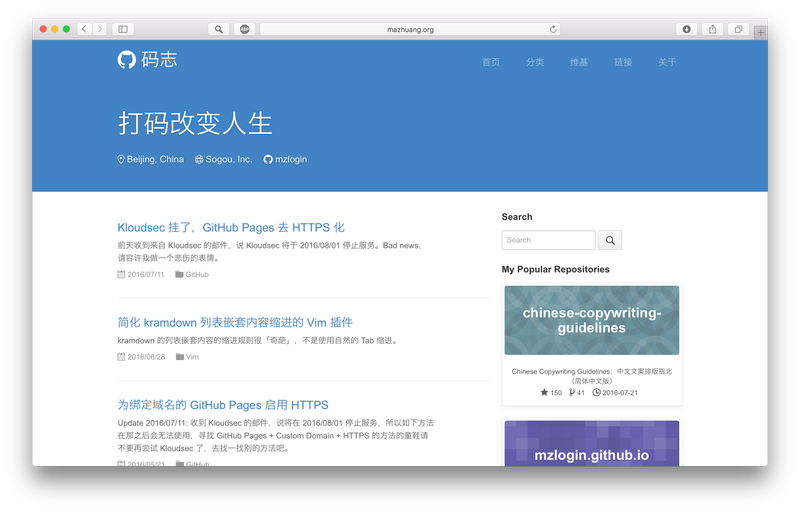
A Jekyll blog template for GitHub Pages with six built-in comment systems, custom domain support, and a clean design.
After Dark is a retro dark theme for Hugo that converts Markdown-based site content into a fast, privacy-focused static HTML5 site with built-in offline search.
After Dark is a retro dark theme for the Hugo static site generator, created by VHS and released under the GNU Affero General Public License version 3. It takes standard Hugo site content written in Markdown and produces static HTML5 output; Hugo 0.51 or newer is the only requirement. The theme is cross-platform, uses a single dependency in a single codebase, and ships with an example documentation website written in After Dark itself.
After Dark is installed into a Hugo site by cloning or adding the theme as a git submodule under the themes directory, by running the quick install script, or by pulling the NPM package. After installation, running ./themes/after-dark/bin/help starts an offline help server with detailed instructions; the ./themes/after-dark/bin/upgrade script checks for and performs upgrades. A Release Validator verifies that the running copy is a PGP-signed and SHA-verified release, with integrity checks possible offline.
After Dark is free, open-source software distributed under the GNU Affero General Public License version 3 (AGPL-3.0-or-later). Releases are also packaged on NPM, making the theme usable in existing automation workflows.
Yes — After Dark requires Hugo 0.51 or newer. Hugo is the only runtime dependency; no other tools or packages are needed.
Yes. The page states that the theme sends no cookies, sets no trackers, and makes no external requests.
Run the upgrade script at ./themes/after-dark/bin/upgrade. For security reasons, upgrading replaces the theme files as a whole; if you modify the source, create a fork instead.
Yes. Any theme template can be overridden to compose your own views, and adding Sass support to your project further extends styling options.
It is free software under the GNU Affero General Public License version 3, which means you can redistribute and modify it under the terms of that license.