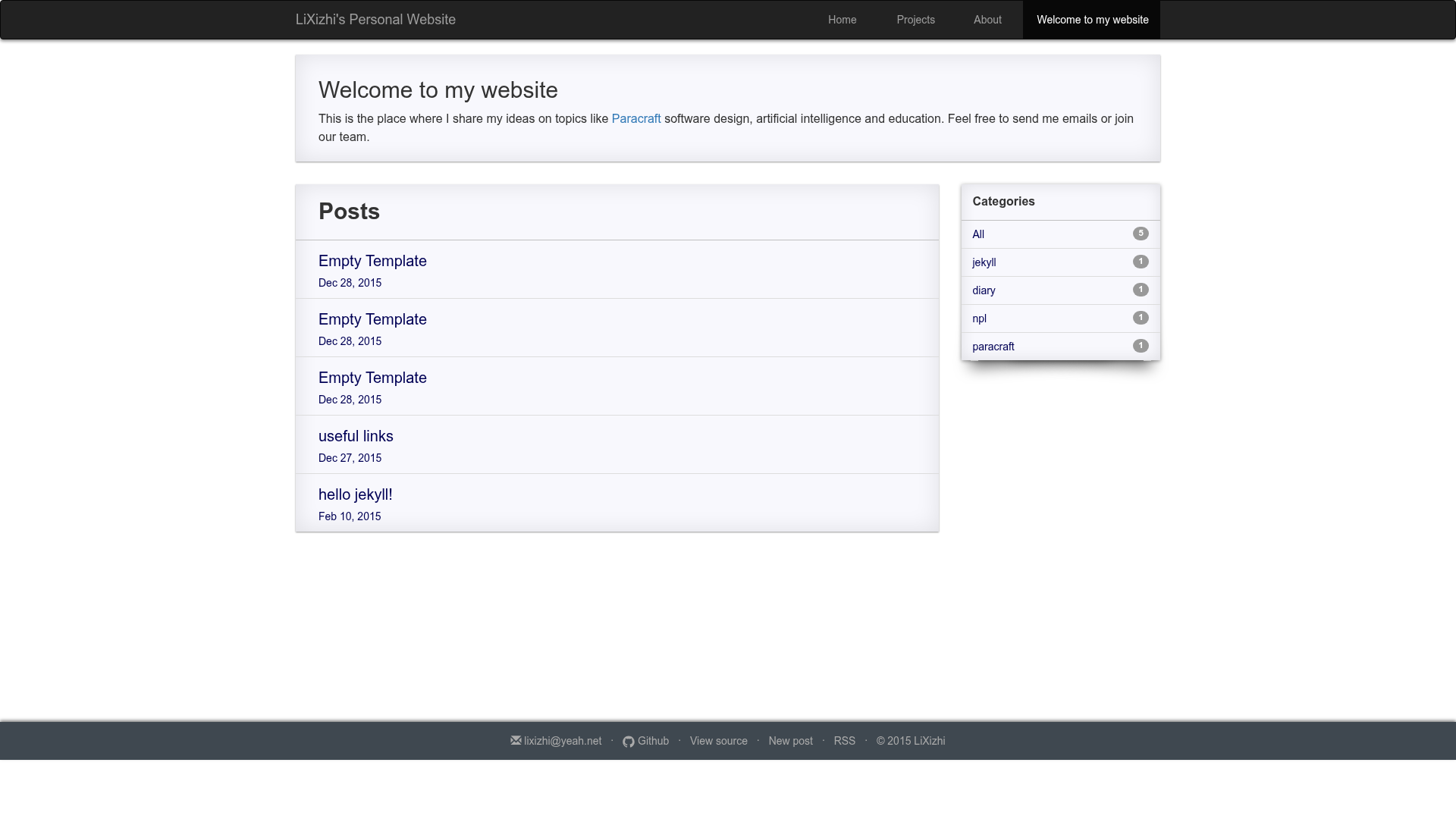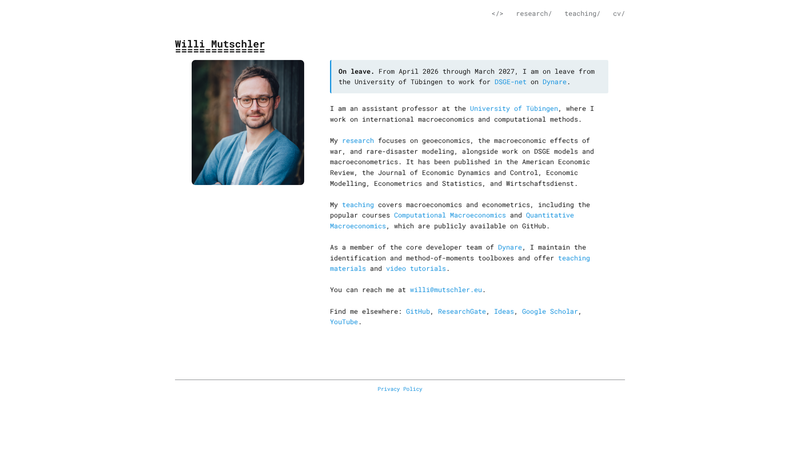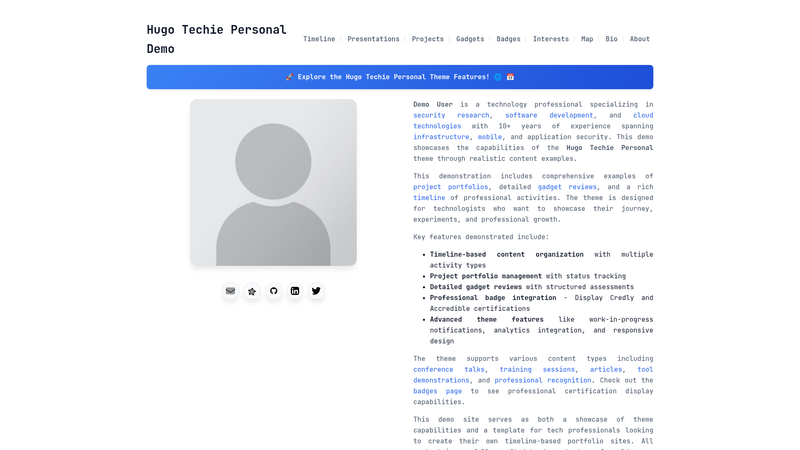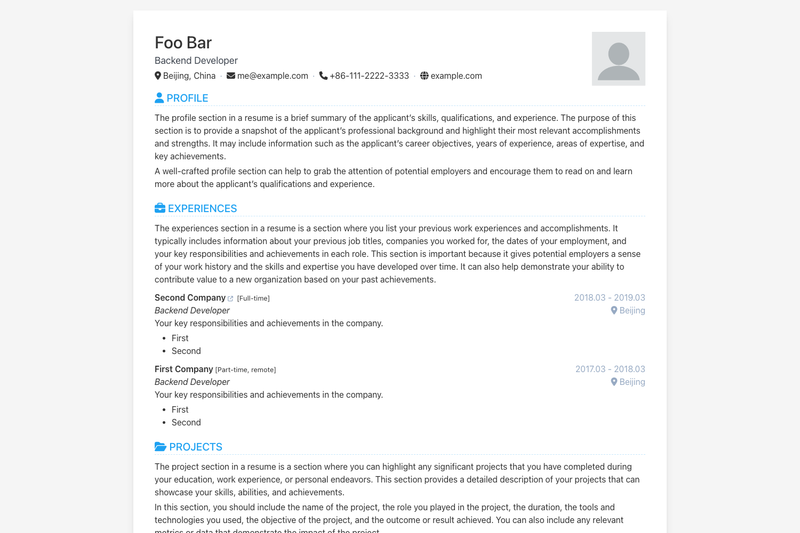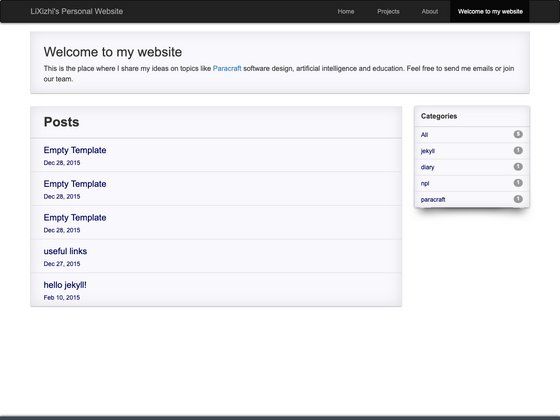
LiXizhi's Personal Website is a Jekyll-based personal website template hosted on GitHub Pages, designed to present an individual's profile, blog posts, and wiki-style content written in markdown.
What is LiXizhi's Personal Website?
LiXizhi's Personal Website is a static personal website template that runs on GitHub Pages using the Jekyll static site generator. It is based on a Jekyll theme created by Gaohaoyang, and the repository serves as the author's own personal site. The template takes markdown files as content input and produces a static homepage with blog and wiki-style pages. The public repository has earned 61 stars on GitHub.
What makes LiXizhi's Personal Website stand out?
- GitHub Pages hosting — The site is designed to be served directly from a GitHub repository, eliminating the need for a separate web server or database.
- Jekyll static site generator — The template uses Jekyll, a mature Ruby-based tool that compiles markdown and Liquid templates into static HTML.
- Markdown-based content — All content is authored in markdown files, so writers can focus on plain text without touching HTML.
- Blog and wiki style — With a name hint of "Wiki Blog", the template supports both chronological blog posts and structured knowledge pages, making it versatile for personal notes.
- Open source — The code is publicly available on GitHub, allowing anyone to fork and customize it for their own use.
- KeepWork reference — The README points to KeepWork, a service that also enables creating personal websites in markdown, though this template is a Jekyll implementation.
Who should use LiXizhi's Personal Website?
- Developers who want a low-maintenance personal website hosted for free on GitHub Pages.
- Technical writers who prefer writing in markdown and publishing to a clean, static blog.
- Academics and researchers who need a personal homepage to list publications, talks, and short biographical information.
What can you do with LiXizhi's Personal Website?
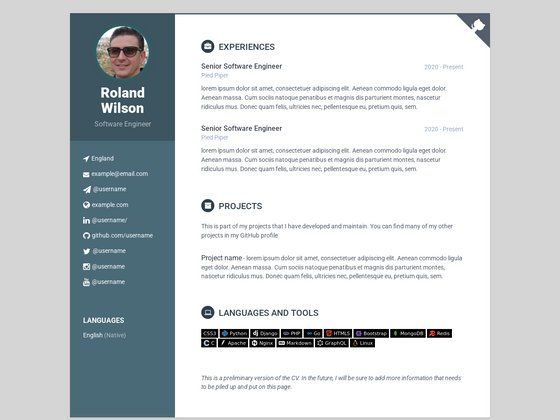
- Personal profile — Display a bio, profile photo, and contact links in a single static page.
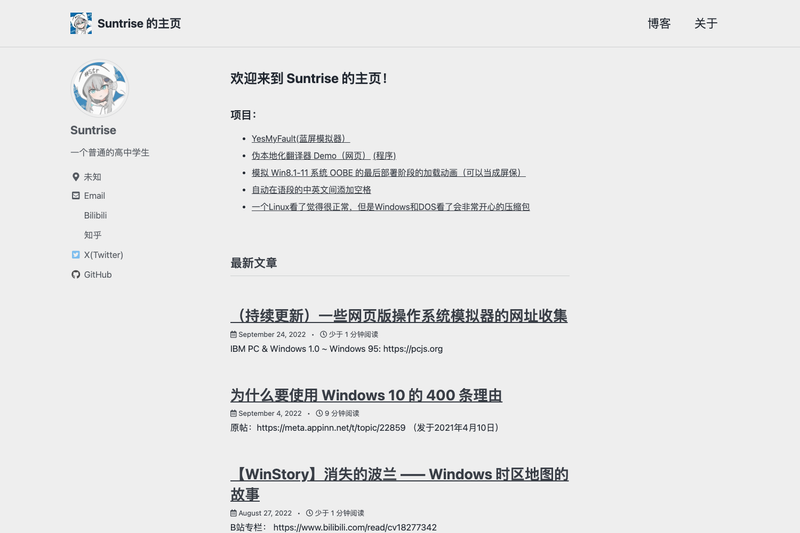
- Blogging — Write markdown posts and have Jekyll compile them into a dated blog archive.
- Wiki-style notes — Organize interlinked documentation or personal knowledge bases using markdown pages.