Newsletter
Join the Community
Subscribe to our newsletter for the latest news and updates

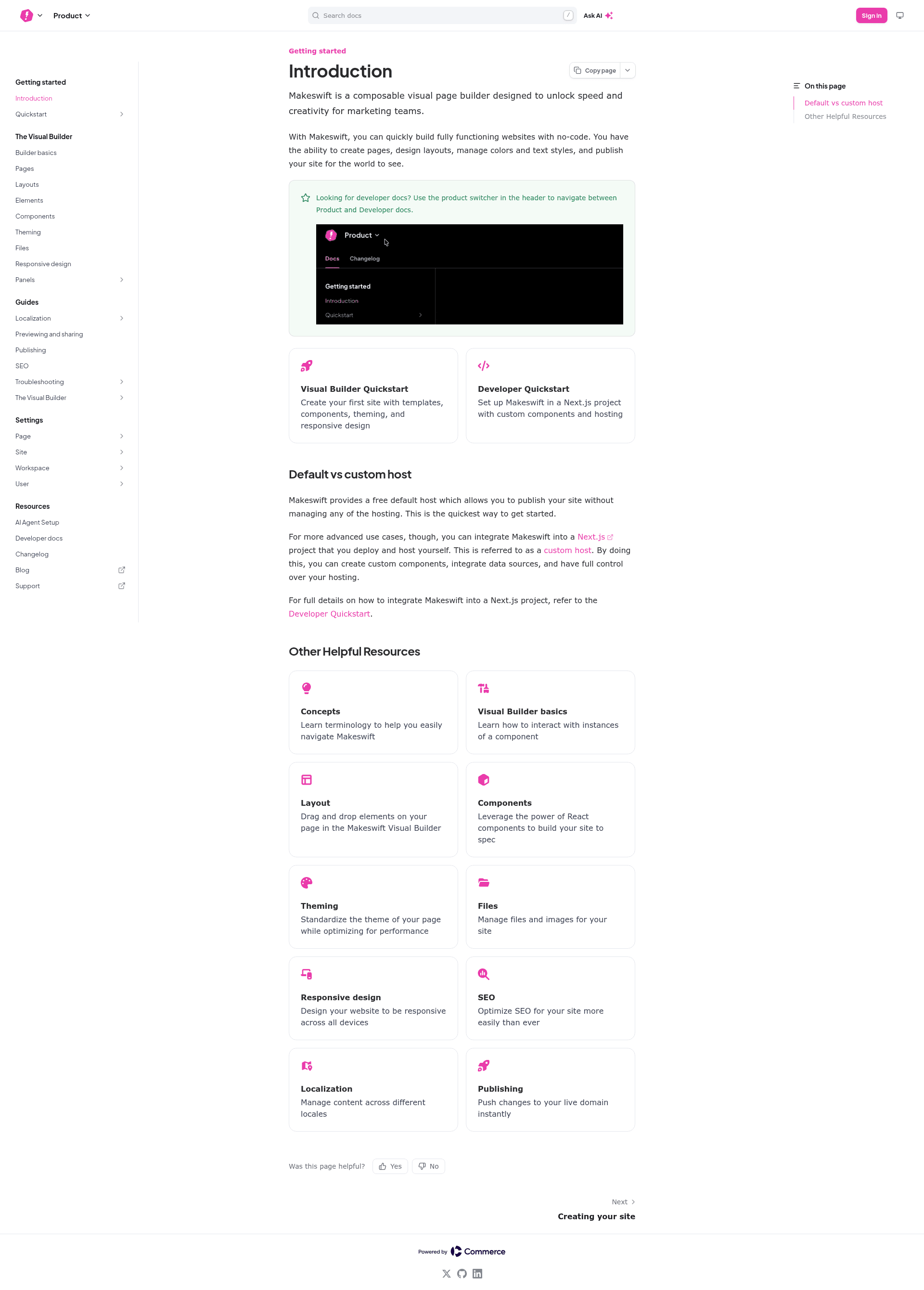
A TypeScript Next.js starter app wired to the Makeswift visual builder so you can edit Next.js pages in a drag-and-drop editor.
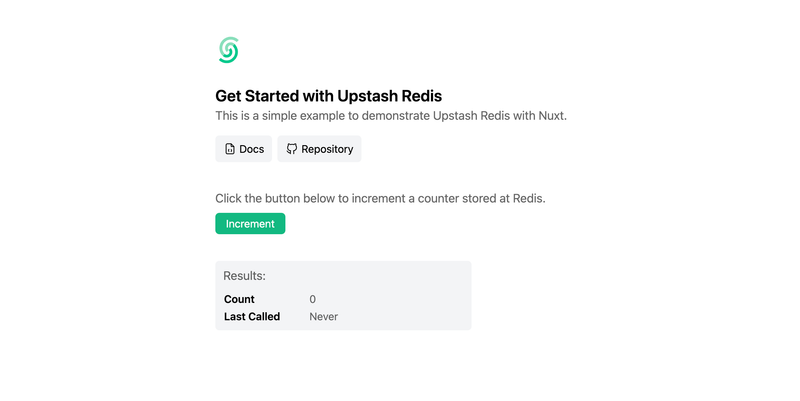
JavaScript example showing how to add Upstash Redis caching to a Nuxt app deployed on Vercel.
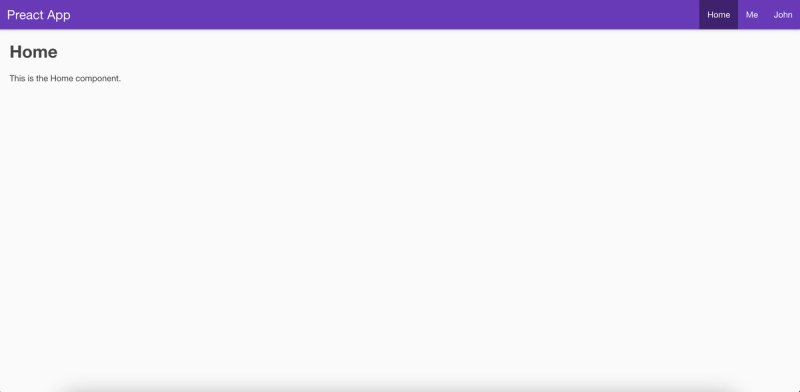
A minimal Preact boilerplate from the Vercel examples collection that deploys to Vercel with zero configuration.

A Next.js example that uses the Vercel AI SDK provider registry to switch between OpenAI, Anthropic, and Google models in one chat app.
Next.js starter from Vercel Labs that streams structured objects one complete object at a time using the AI SDK streamObject array mode.
Makeswift Next.js Starter is a TypeScript Next.js application preconfigured with the Makeswift visual page builder, so you can clone it and edit Next.js pages in a visual editor instead of hand-coding every layout change. It ships as the basic-typescript example inside the makeswift/makeswift GitHub repository and points to a live demo hosted on Vercel.
The Makeswift Next.js Starter is an open-source Next.js app that is already connected to the Makeswift builder through the Makeswift site API key. You edit page structure and content inside Makeswift, and the Next.js front end renders those pages; content changes no longer require editing React files by hand. It runs on Next.js with TypeScript, is maintained by Makeswift, and is published in the examples/basic-typescript folder of the makeswift repository, which shows around 248 GitHub stars.
basic-typescript variant, meaning components and configuration are written in TypeScript rather than JavaScript.MAKESWIFT_SITE_API_KEY in .env.local, letting the builder read and write the pages your Next.js app serves.npx makeswift@latest init --example=basic-typescript clones the repository and configures the project in a single step through the Makeswift CLI.yarn install, add the API key to .env.local, and start the dev server with yarn dev.http://localhost:3000 to preview your Next.js app inside the builder while developing.makeswift-nextjs-starter, and connects the Makeswift integration so a hosted preview works immediately.Run the CLI command npx makeswift@latest init --example=basic-typescript, or clone the repo manually and run yarn install. Then copy your site API key from Makeswift site settings into the .env.local file as MAKESWIFT_SITE_API_KEY, start the Next.js dev server with yarn dev, and set your Makeswift site's host URL to your local address such as http://localhost:3000.
The starter itself is an open-source example published in the public makeswift/makeswift GitHub repository, so the code can be cloned and modified at no cost. Using the visual builder requires a Makeswift account and a site API key from that account's site settings.
Yes. This starter is the basic-typescript example, so the Next.js project is written in TypeScript. If you prefer plain JavaScript, Makeswift publishes other examples in the same repository that you can scaffold with the CLI instead.
Add your Makeswift site API key to .env.local under the name MAKESWIFT_SITE_API_KEY, start the dev server, then set the host URL in your Makeswift site settings to your local development address, for example http://localhost:3000.
The README includes a Deploy with Vercel button that clones the repository as makeswift-nextjs-starter, redirects to app.makeswift.com, and installs the Makeswift integration. The reference demo site is itself hosted on Vercel at makeswift-examples-basic-typescript.vercel.app.
No. It is a minimal starter that demonstrates the Next.js and Makeswift integration rather than a finished site. Pages such as blogs, pricing or ecommerce flows are not included, so you add your own routes and components on top of the base app.